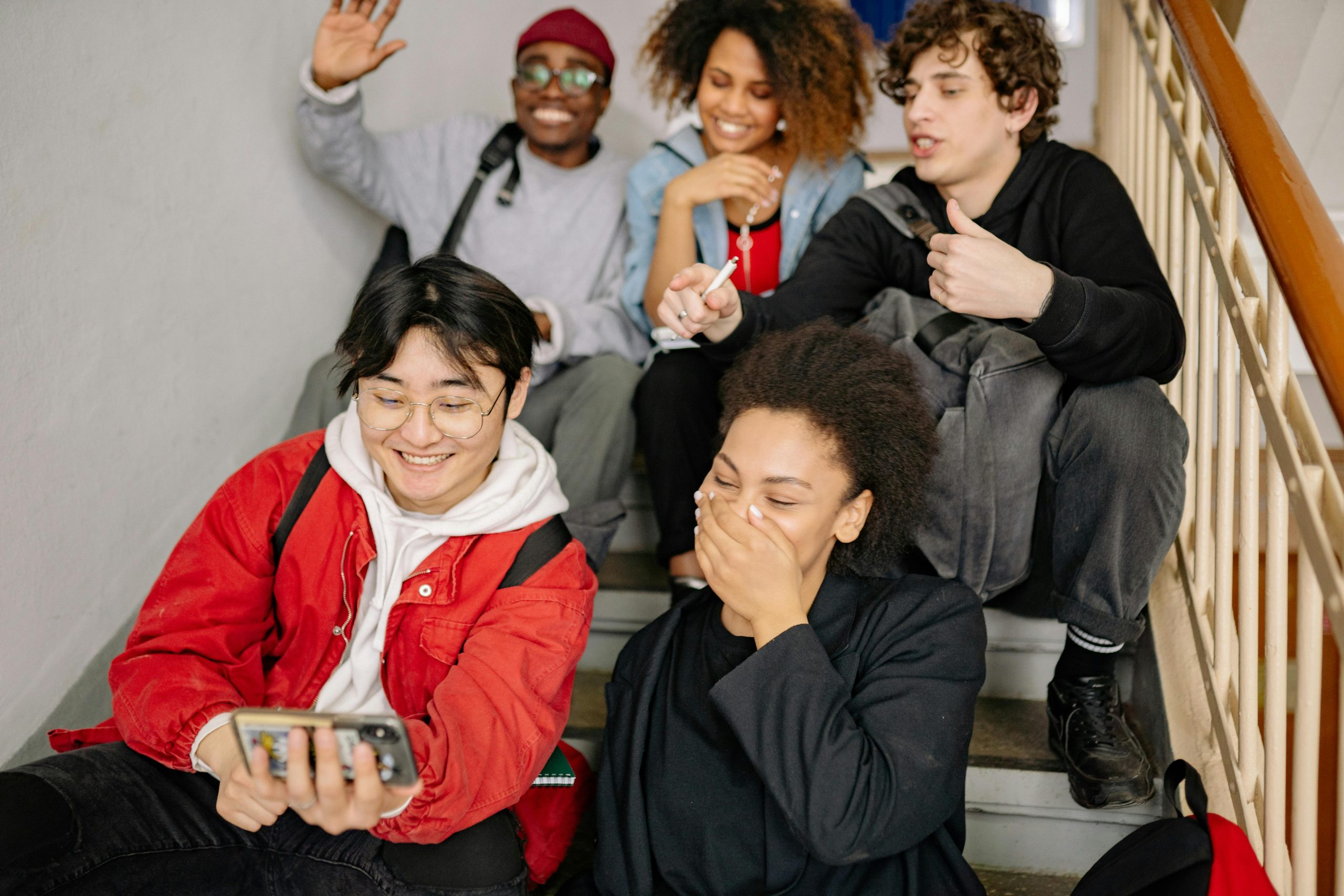
In today’s digital age, the boundaries that once separated us are disappearing. The internet has allowed us to connect with people from all over the world, breaking down geographical barriers and creating a global community. And in the realm of education, this has led to the rise of the global classroom.
The Rise of the Global Classroom
The global classroom is a virtual learning environment that connects students and educators from different parts of the world. It allows students to interact and collaborate with their peers from different countries, giving them a unique opportunity to learn about different cultures, perspectives, and experiences.
With the rise of technology and the increasing importance of global competency, the global classroom has become an essential tool in preparing students for success in the 21st century. It provides them with the skills and knowledge needed to thrive in a globalized world.
Breaking Down Geographical Borders
One of the most significant benefits of the global classroom is its ability to break down geographical borders. It allows students to connect with their peers from other countries, creating a diverse and inclusive learning environment. This not only fosters cultural awareness but also promotes understanding and acceptance of different cultures and perspectives.
Moreover, the global classroom provides a platform for students to learn about global issues and challenges. It allows them to see the world from different angles and gain a deeper understanding of complex global problems and potential solutions.
Enhancing Cross-Cultural Communication
In a global classroom, students not only learn from their teachers but also from each other. They are exposed to different languages, customs, and viewpoints, which can expand their perspectives and improve their communication skills.
The ability to communicate effectively with people from different cultural backgrounds is crucial in today’s interconnected world. Students who participate in a global classroom develop more open-mindedness and adaptability, skills that are highly sought after by employers in a global marketplace.
The Role of Technology in the Global Classroom
Technology plays a significant role in the success of the global classroom. With the help of various digital tools and applications, students and teachers can connect and collaborate in real-time, regardless of their physical location.
Video conferencing, online forums, and social media platforms are just some of the tools used in a global classroom to facilitate communication and learning. These technologies not only make learning more engaging and interactive but also help students develop digital literacy skills that are essential in today’s digital world.
Challenges of the Global Classroom
As with any new educational concept, the global classroom comes with its own set of challenges. Language barriers, cultural differences, and time zone differences can all impact the success of a global classroom. Moreover, there may be technological challenges and limitations in some parts of the world that hinder access to the global classroom.
However, these challenges can be overcome with proper planning and implementation. Educators must be equipped with the necessary skills and training to manage a global classroom effectively. Additionally, collaboration and communication between schools and educators from different countries are crucial in ensuring the success of the global classroom.
Leave a Reply