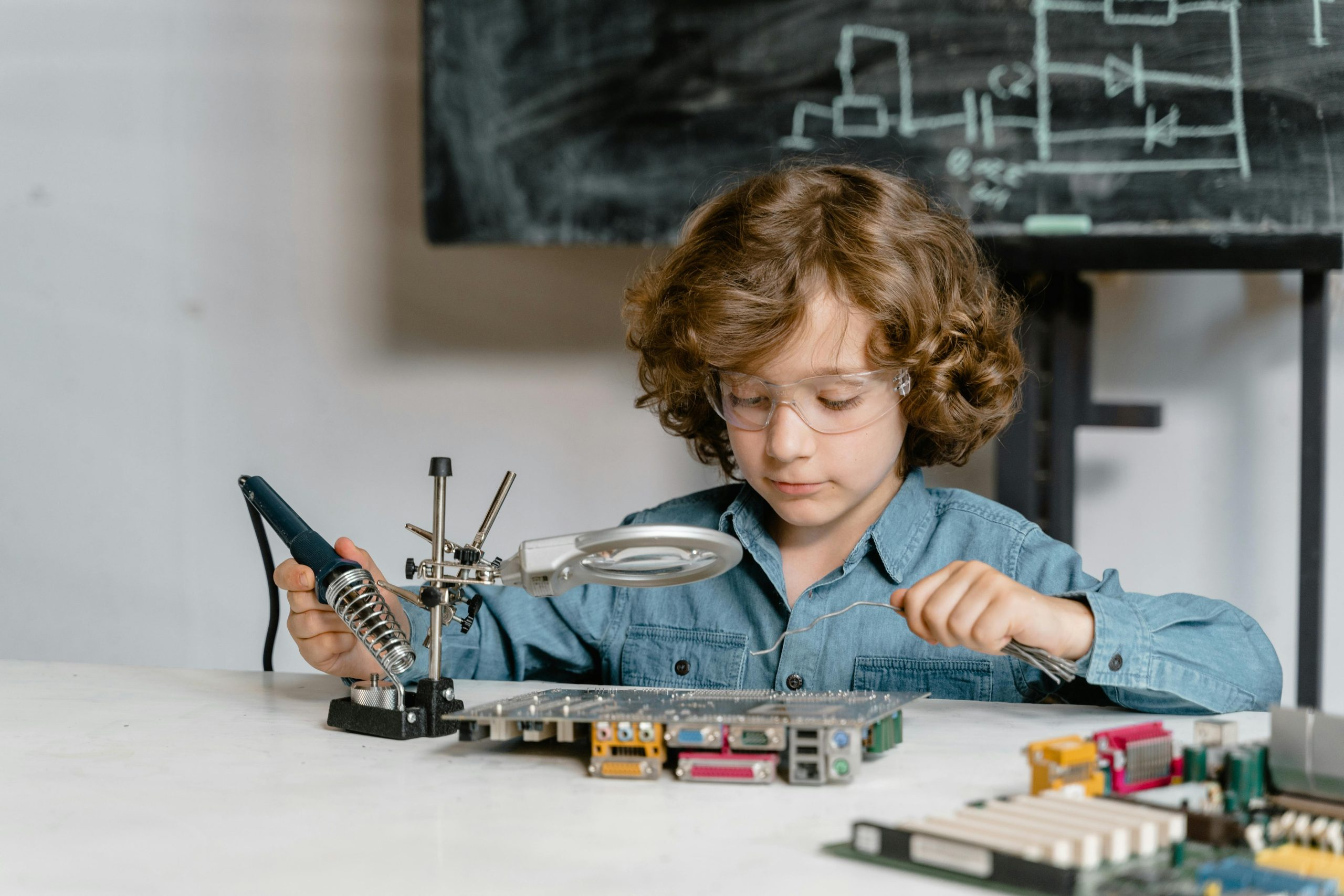
In today’s rapidly evolving digital landscape, technology plays a crucial role in every aspect of our lives. From smartphones to smart homes, from e-commerce to digital entertainment, it has found its way into almost every sphere of human activity. It was only a matter of time before this powerful tool made its way into the field of education. And now, as we stand on the cusp of the fourth industrial revolution, the need for integrating technology in classrooms has become more pressing than ever before. With the world becoming increasingly reliant on technology, it is imperative that education systems also adapt to equip students with the skills necessary to thrive in the future. In this article, we will explore the future of education and the significance of integrating technology in classrooms.
The Need for Change: Traditional Learning vs. Technology-Driven Learning
For centuries, the traditional method of classroom learning has been the standard mode of education. However, it has its limitations. Students are restricted to a one-size-fits-all teaching approach, where they are expected to learn at the same pace and in the same way as their peers. This method fails to consider the individual learning styles and needs of students and may result in disengagement and lack of motivation. On the other hand, technology-driven learning brings a more personalized and interactive approach, where learning can be tailored to suit each student’s needs. It enables students to learn at their own pace and explore different interests and styles of learning. This personalized approach can lead to improved academic performance and foster a love for learning.
The Benefits of Integrating Technology in Classrooms
Integrating technology in classrooms has a multitude of benefits. The interactive and engaging nature of technology makes learning more fun and exciting, helping students stay focused and interested. It also provides access to a vast amount of information and resources that go beyond the limitations of traditional textbooks and notes. With technology, students can enhance their learning experience through visual aids, simulations, and educational games. Technology also allows for collaboration and communication among students, breaking down barriers and creating a more inclusive learning environment.
The Role of Artificial Intelligence in Education
Artificial Intelligence (AI) has emerged as a game-changer in many industries, and education is no exception. From personalized learning to automated grading, AI has the potential to revolutionize the way we learn. With AI-powered adaptive learning, students can receive tailored lessons and assignments based on their learning style, progress, and strengths and weaknesses. This not only helps students to learn more effectively but also saves teachers time and effort in designing individualized lesson plans. Moreover, AI can assist in grading and analyzing student performance, providing teachers with valuable insights and data to identify areas for improvement and intervention.
The Future of Learning: Augmented and Virtual Reality
The use of Augmented Reality (AR) and Virtual Reality (VR) technology in education has gained significant attention in recent years. These technologies offer immersive and interactive learning experiences, bringing abstract concepts to life and making learning more engaging and meaningful. AR enables students to interact with virtual objects in the real world, while VR allows students to engage in simulated environments, making learning more hands-on and practical. These technologies have tremendous potential, especially in subjects such as science, history, and art, where students can explore, experiment, and learn in a more interactive and realistic way.
The Challenges and Concerns
While the integration of technology in education brings remarkable benefits, it also poses some challenges and concerns that must be addressed. One major concern is the digital divide. Not all students have access to technology and the internet at home, which may create inequality in learning opportunities. The cost of implementing technology in classrooms also poses a financial challenge for many schools, especially in developing countries. Additionally, there is a concern about the over-reliance on technology, which may hinder the development of essential cognitive and social skills in students.
The Way Forward
The integration of technology in classrooms is no longer a choice, but a necessity. As the world evolves, so must our education system. It is essential for educators to embrace technology and continually update their teaching methods to prepare students for the future. Schools must work towards bridging the digital divide and providing equal access to technology for all students. Moreover, it is crucial to find a balance between technology and traditional learning methods, where technology supplements and enhances learning, but does not entirely replace it.
In conclusion, the future of education lies in the integration of technology in classrooms. It offers a more personalized, engaging, and efficient way of learning, equipping students with the skills necessary to thrive in a technology-driven world. However, it is essential to address the challenges and concerns and continually evaluate and adapt to ensure a balanced and inclusive education system. As we move forward into the digital era, it is crucial to remember that technology is a tool for learning, not a replacement for it.
Leave a Reply