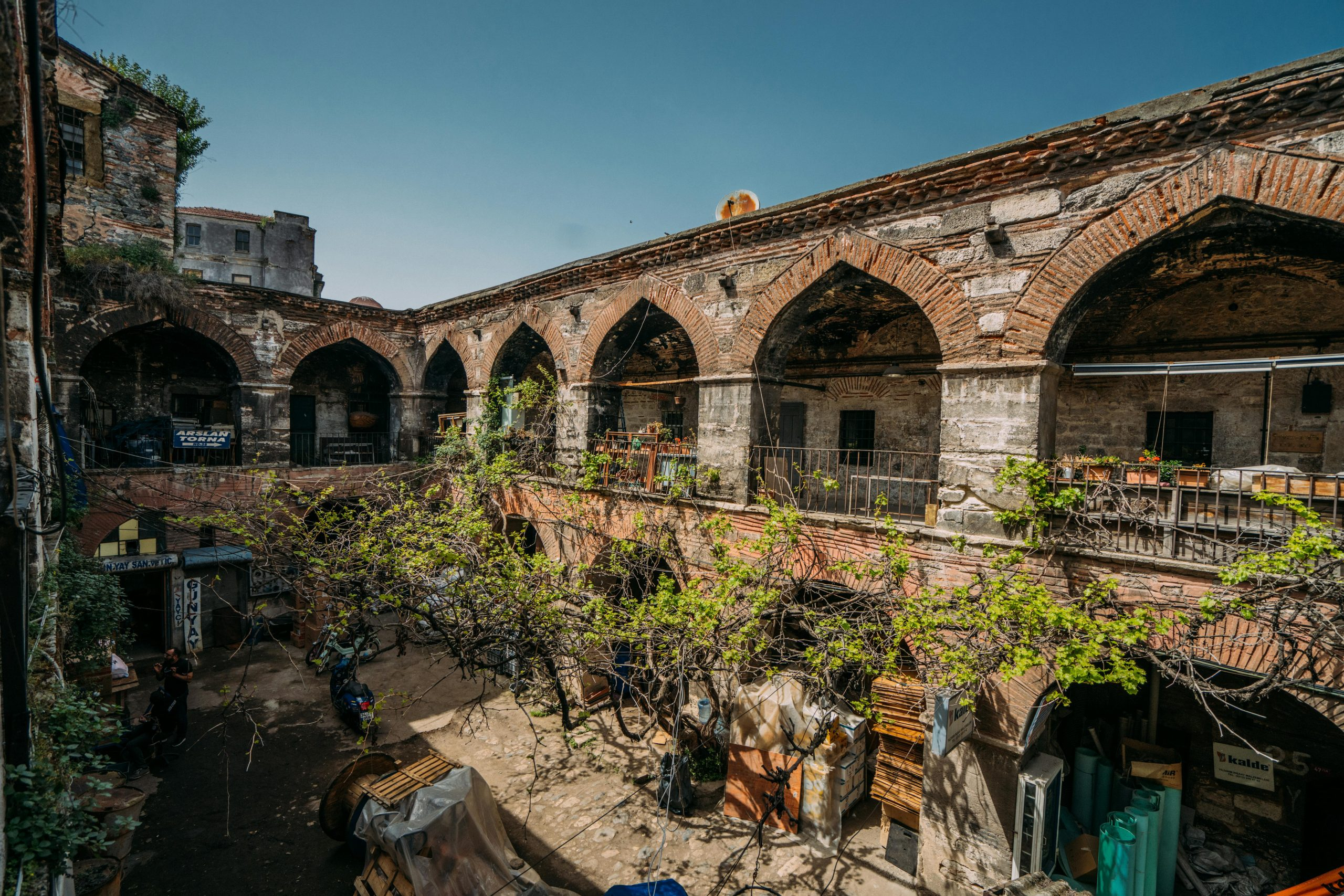
Traditional markets and bazaars have been a vital part of many cultures for centuries. These bustling hubs of commerce and community offer a unique glimpse into the history, traditions, and values of a society. In today’s modern world, where supermarkets and online shopping dominate, traditional markets and bazaars hold on to their cultural significance, reminding us of the importance of preserving our heritage. In this article, we will explore the cultural significance of traditional markets and bazaars and understand why they continue to hold a special place in the hearts of many.
Preserving Cultural Traditions
Traditional markets and bazaars are not only places for buying and selling goods, but they also serve as an important platform for preserving cultural traditions. These markets often feature local and handmade products that are unique to a particular region or community. From intricate handicrafts to traditional clothing and accessories, these goods represent the skills and traditions that have been passed down through generations. By supporting these markets, we not only help to sustain local businesses but also contribute to the preservation of cultural heritage.
Community Building and Social Interaction
Traditional markets and bazaars play a significant role in building and strengthening communities. These markets are not just a place to shop; they are a place where people come together, interact, and form personal connections. In many cultures, markets are also important meeting places where news and information are exchanged. These social interactions foster a sense of belonging and promote a strong community spirit, which is essential for the well-being of society.
Supporting Small Businesses
In today’s fast-paced world, it can be easy to overlook small and local businesses in favor of larger, more convenient options. However, traditional markets and bazaars provide a platform for these small businesses to showcase their products and compete with larger retailers. By choosing to shop at these markets, we can support and sustain these small enterprises, which are often the backbone of a community’s economy.
Cheaper and More Sustainable Shopping
In addition to promoting small businesses, traditional markets and bazaars offer a cheaper and more sustainable alternative to modern shopping. With the rise of fast fashion and mass production, traditional markets provide access to affordable, locally made goods that are often of higher quality and possess a unique charm. Moreover, shopping at these markets reduces our carbon footprint by minimizing the need for transportation and packaging.
Preserving Cultural Identity
Traditional markets and bazaars are not just a place to buy goods, but they are also an expression of a society’s cultural identity. These markets are a reflection of the local lifestyle, values, and beliefs, and they provide a window into the past. By preserving and promoting traditional markets, we contribute to the preservation of cultural identity and diversity, which is crucial in today’s globalized world.
Tourist Attraction and Economic Boost
Traditional markets and bazaars also play a crucial role in the tourism industry, attracting visitors from all over the world. These markets offer an authentic and immersive experience for tourists, giving them a taste of the local culture and traditions. This, in turn, boosts the local economy by generating income and creating job opportunities. Moreover, with the rise of social media, traditional markets have become popular destinations for tourists to capture and share unique experiences, creating awareness and interest in local cultures.
In Conclusion
Traditional markets and bazaars have stood the test of time, retaining their cultural significance in a rapidly changing world. They offer a glimpse into a culture’s past, present, and future, providing a space for cultural traditions, community building, supporting small businesses, and preserving cultural identity. These markets are more than just a place to shop; they are an embodiment of a society’s values and heritage. As we move towards a more modern and fast-paced world, it is imperative that we continue to appreciate and preserve the cultural significance of traditional markets and bazaars for generations to come.
Leave a Reply