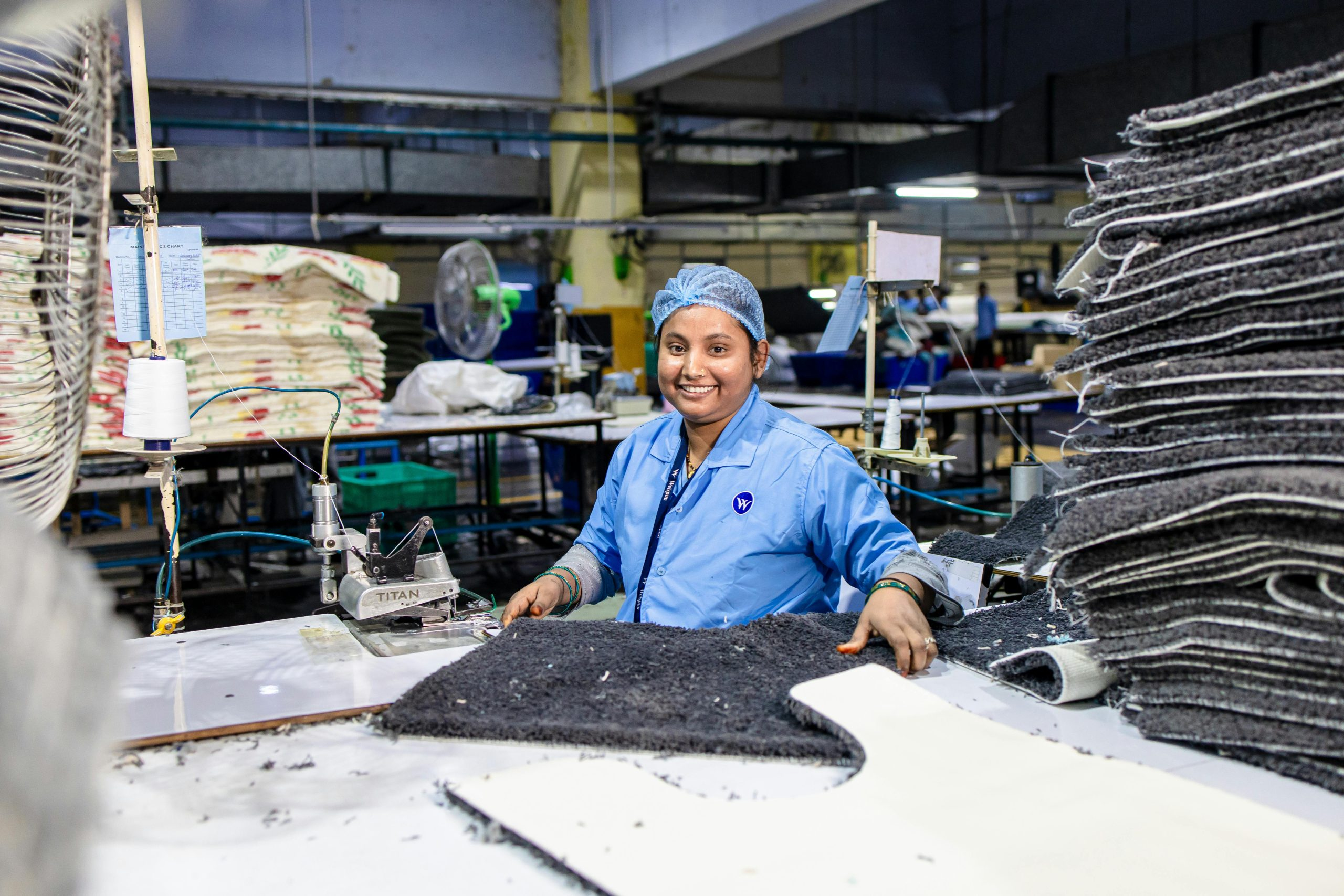
The textile industry has come a long way from its traditional roots, thanks to modern advancements in technology. Despite being one of the oldest industries, the textile sector has been able to adapt and evolve with the changing times. With the help of technology, the textile industry has been revolutionized, leading to significant improvements in production processes, product quality, and overall efficiency. In this article, we will explore how technology has transformed the textile industry practices and the impact it has had on the industry as a whole.
Automated Machinery
One of the most significant changes that technology has brought to the textile industry is the use of automated machinery. In the past, most of the work in textile factories was done manually, which was both time-consuming and labor-intensive. However, with the introduction of automated machines, the production process has become more streamlined and efficient.
The use of automated machinery has drastically reduced the time it takes to produce textiles. Machines are now able to carry out tasks that were previously done by hand, such as spinning, weaving, and cutting, at a much faster rate. This has not only increased productivity but has also reduced the chances of human error, resulting in better quality products.
Moreover, automated machines have made the production process more cost-effective. With reduced labor costs and increased productivity, textile manufacturers can produce more at a lower cost. This, in turn, has made textiles more affordable for consumers, leading to an increase in demand for textile products.
Digital Printing
Traditionally, textile printing involved labor-intensive processes, such as screen printing, which required a lot of time and effort. However, with the introduction of digital printing technology, the textile industry has seen a significant transformation in this area.
Digital printing allows for more precise and intricate designs to be printed on textiles compared to traditional methods. This has opened up new possibilities for textile designers and has led to a variety of unique and innovative designs in the market. Moreover, digital printing is also faster and more cost-effective, making it a preferred choice for textile manufacturers.
Another advantage of digital printing is its ability to print on a wide range of fabrics, including natural and synthetic fibers. This has expanded the range of materials that can be used in the textile industry and has resulted in a more diverse product offering for consumers.
Supply Chain Management
Technology has also revolutionized the supply chain management in the textile industry. With the use of tracking and monitoring systems, textile manufacturers can now keep track of their inventory in real-time. This has significantly reduced the chances of overstocking or stock shortages, resulting in better inventory management.
The use of technology has also improved the communication and coordination between different players in the supply chain, such as suppliers and manufacturers. This has led to a more efficient supply chain, reducing lead times and ensuring timely delivery of products.
Sustainable Practices
The textile industry has been under scrutiny for its environmental impact for a long time. However, technology has played a crucial role in making the industry more sustainable. With the use of eco-friendly materials, such as recycled fabrics, and the implementation of energy-efficient processes, the textile industry has made significant strides towards reducing its carbon footprint.
Moreover, the use of technology in the production process has resulted in less waste and more precise use of resources, making the industry more sustainable and environmentally friendly.
In Conclusion
Technology has undoubtedly revolutionized the textile industry practices and paved the way for a more efficient, cost-effective, and sustainable future. From automated machinery to digital printing and supply chain management, technology has made significant contributions to the growth and transformation of the industry. As we continue to see advancements in technology, there is no doubt that the textile industry will continue to evolve and adapt, leading to more innovative and sustainable practices in the future.
Leave a Reply