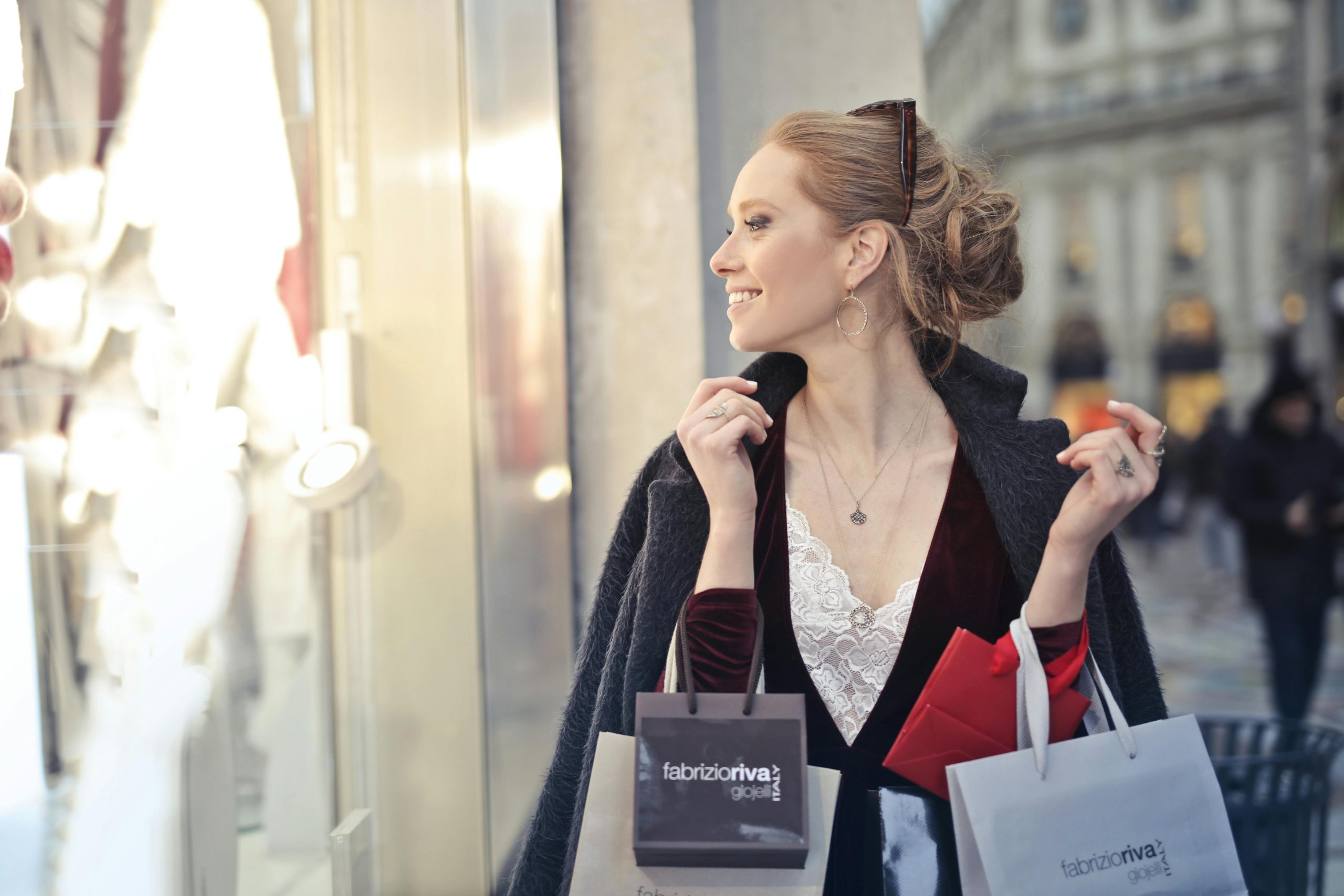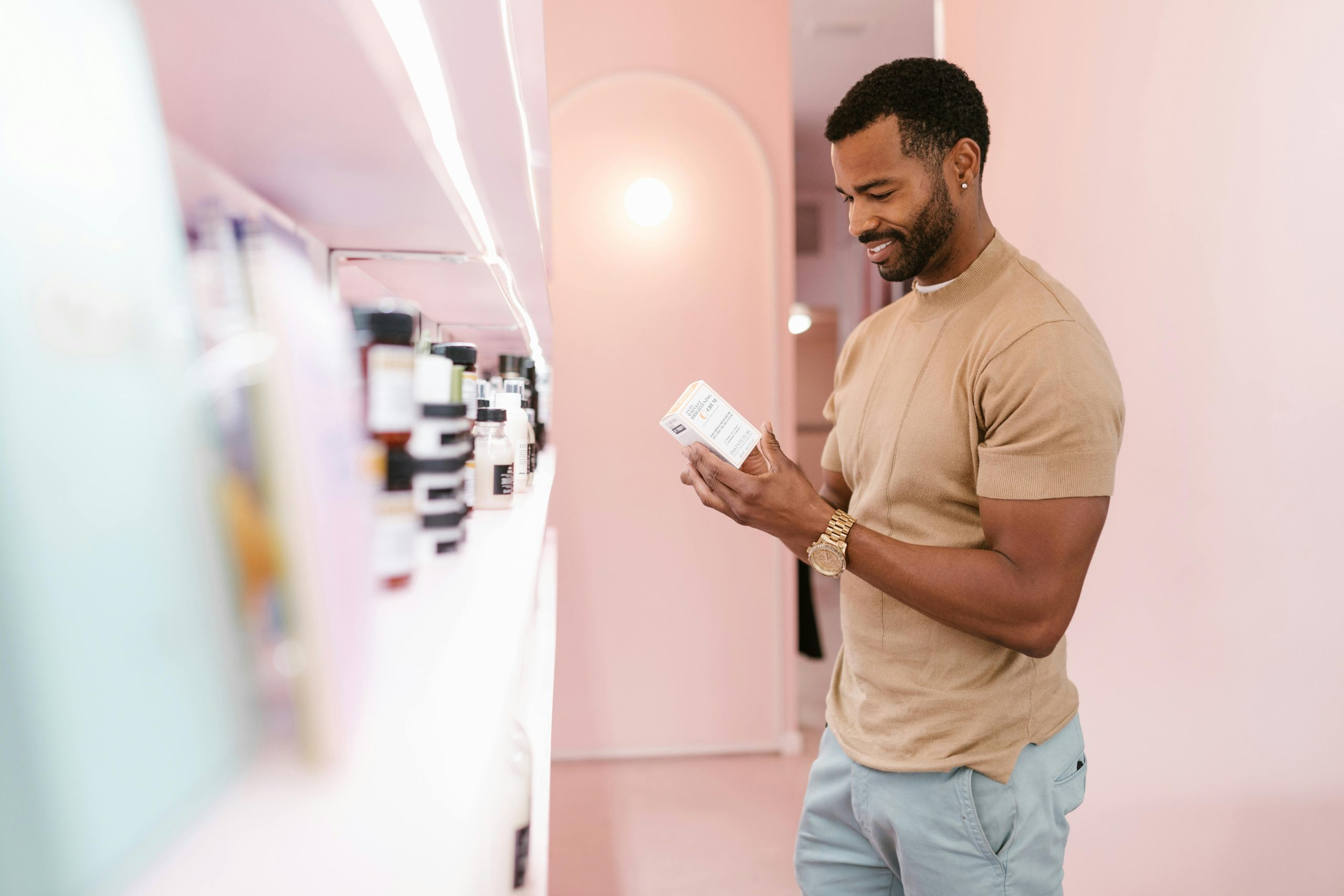
As online shopping continues to dominate the retail industry, the appeal of independent retailers has been on the rise. These small, local businesses offer more than just products – they cultivate a sense of community that is often overlooked by larger, corporate stores. In today’s fast-paced and anonymous world, people are craving a meaningful and personal shopping experience. That’s where independent retailers come in. Let’s explore how these businesses are building a community and why they are becoming increasingly beloved by consumers.
The Power of Personal Connections
One of the main reasons independent retailers are gaining popularity is their ability to establish personal connections with their customers. Unlike larger retail chains, these businesses are owned and operated by members of the community. This allows for a more personalized and authentic shopping experience. Customers are more likely to develop a sense of trust and loyalty with a local business owner who knows them by name and takes the time to get to know their needs and preferences.
Supporting Small Businesses
By shopping at independent retailers, customers are not only supporting the local economy, but also small businesses. These businesses often struggle to compete with larger corporations in terms of pricing and advertising. However, they make up for it by providing high-quality and unique products, exceptional customer service, and a genuine passion for their business. By supporting small businesses, customers are investing in the creativity and innovation of the community.
Creating a Sense of Belonging
Independent retailers are more than just a place to purchase goods – they are also a place to gather, connect, and feel a sense of belonging. By hosting events, workshops, and other community activities, these businesses create a space where customers can interact with one another and foster meaningful relationships. In addition, many independent retailers also collaborate with other local businesses, further strengthening the sense of community and support within the area.
Cultivating Loyalty and Trust
Building a community through independent retailers also relies heavily on the idea of loyalty and trust. While mainstream retail has a wide reach, it often lacks the personal touch that independent retailers offer. By creating a bond with their customers, these businesses are able to foster a sense of loyalty and trust that is invaluable in today’s highly competitive market. Customers are more likely to spread positive word-of-mouth and return to a business when they feel a genuine connection with the owner and their products.
Promoting Ethical and Sustainable Practices
Another factor that is driving the appeal of independent retailers is their commitment to ethical and sustainable practices. These businesses are often more environmentally conscious and socially responsible than larger corporations. Customers are becoming increasingly aware and concerned about the impact of their purchasing decisions, and they are drawn to independent retailers who share their values and prioritize sustainability.
The Future of Retail
With the rise of online shopping, many have predicted the downfall of brick-and-mortar stores. However, the success of independent retailers proves that there is still a strong desire for in-person shopping experiences. Building a community is a powerful way for independent retailers to differentiate themselves from their larger counterparts and attract a loyal customer base. As consumers continue to crave personal connections, meaningful experiences, and ethical practices, independent retailers are well-positioned to thrive in the retail industry.
In conclusion, independent retailers are more than just storefronts – they are truly building a community. By fostering personal connections, supporting small businesses, and promoting ethical and sustainable practices, these businesses are able to create a sense of belonging and cultivate loyalty and trust with their customers. As the retail industry continues to evolve, the appeal of independent retailers will only continue to grow as people prioritize meaningful experiences and genuine connections in their shopping journeys.