Category: Education

  • Creating Safe and Supportive Learning Environments for All Children

    Creating Safe and Supportive Learning Environments for All Children

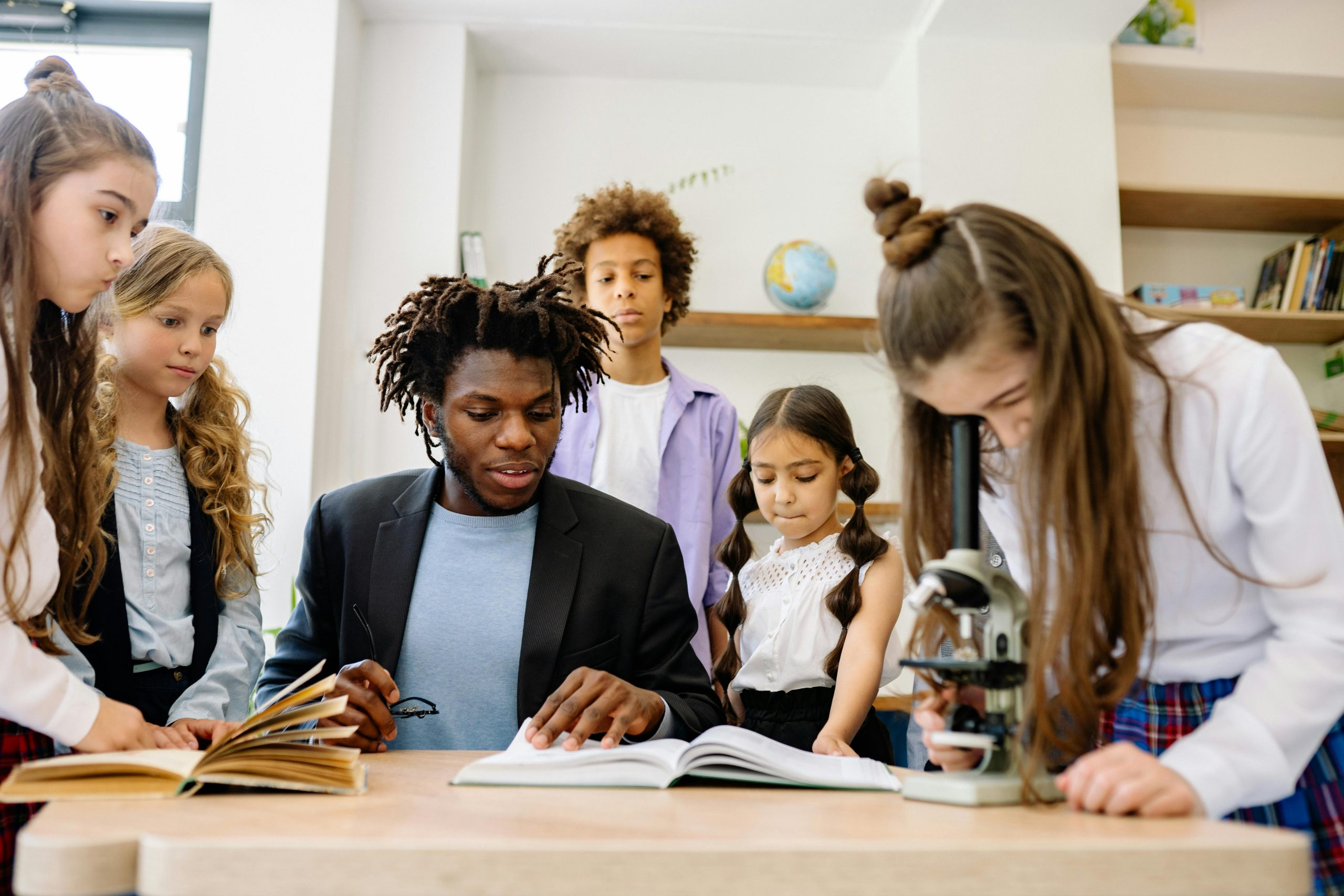
    When creating safe and supportive learning environments for all children, it is crucial to consider the diverse needs of students and provide them with a nurturing and inclusive space to learn and grow. Children need to feel safe and supported to reach their full potential, and as educators, it is our responsibility to create an environment that fosters their well-being and academic success. With a focus on Google SEO, this article will explore the importance of safe and supportive learning environments and provide practical tips on how to create one for all children.

    The Importance of Safe and Supportive Learning Environments

    Safe and supportive learning environments are essential for children’s overall well-being and academic achievement. When students feel safe, they are more likely to engage in learning, take risks, and express their thoughts and ideas freely. On the other hand, a lack of support and safety can have detrimental effects on a child’s mental health and academic progress.

    Promotes Positive Relationships

    An environment that promotes safety and support nurtures positive relationships between students, teachers, and peers. When children feel safe, they are more likely to develop trust and form meaningful connections with their classmates and teachers. These relationships not only create a sense of belonging but also promote a positive learning environment where children can learn from one another and receive support from their peers and teachers.

    Encourages Academic Success

    In a safe and supportive learning environment, students are more likely to excel academically. When children feel comfortable and supported, they are more likely to participate in class, ask questions, and take on challenges. This positive learning climate not only builds confidence but also encourages students to take academic risks and reach their full potential.

    Fosters Emotional Well-being

    A supportive learning environment is crucial for a child’s emotional well-being. Children who feel safe in their learning environment are less likely to experience anxiety and stress, allowing them to focus on their learning and development. Additionally, a supportive environment fosters a sense of emotional security, which is vital for positive mental health and overall well-being.

    Practical Tips for Creating Safe and Supportive Learning Environments

    While every classroom and school is unique, there are some practical tips that educators can follow to create a safe and supportive learning environment for all children.

    Get to Know Your Students

    As educators, it is essential to get to know each child and their individual needs. Understanding their personalities, strengths, challenges, and interests can help you create a learning environment that caters to their needs and fosters their well-being. Building positive relationships with your students also helps students feel more comfortable and supported in the classroom.

    Promote Inclusivity and Diversity

    It is crucial to create a learning environment that celebrates diversity and promotes inclusivity. Children come from different backgrounds, cultures, and experiences, and it is essential to embrace and acknowledge these differences in the classroom. Incorporating diverse resources and literature, celebrating cultural events, and encouraging discussions on diversity and inclusivity can help students feel safe and valued in the learning environment.

    Provide Emotional and Behavioral Support

    Children go through various emotions and may display challenging behaviors. As educators, it is vital to provide emotional and behavioral support to help children navigate their feelings and learn appropriate ways to manage them. This can include creating a calm-down corner, using calming techniques, and having open and honest communication with students about their emotions and behaviors.

    Ensure a Physical Safe Environment

    Physical safety is also crucial in creating a safe learning environment. Regular safety checks, ensuring equipment is in good condition, and providing a clean and organized space can help children feel safe and physically secure in the classroom.

    Creating safe and supportive learning environments for all children requires ongoing effort and commitment from educators. By prioritizing safety, support, and inclusivity, we can create a positive and nurturing environment where all children can thrive academically and emotionally. Remember to keep these practical tips in mind and continuously assess and adjust your practices to meet the diverse needs of your students. Let’s work together to create a safe and supportive learning environment for all children.


  • Debunking Myths About Standardized Testing and Student Performance

    Debunking Myths About Standardized Testing and Student Performance

    When it comes to education, there is no shortage of debates and controversies. One particular topic that has sparked much discussion and argument is standardized testing. Many believe that these tests are the best way to measure a student’s performance and learning, while others argue that they are flawed and do more harm than good. As with any hotly debated topic, there are also many myths surrounding standardized testing and its impact on student achievement. In this article, we will delve into some of these myths and debunk them with evidence and facts.

    The Myth of Standardized Testing as a Reliable Measure of Student Performance

    One of the most common arguments in favor of standardized testing is that it provides an accurate measure of a student’s academic performance. However, this is not entirely true. Standardized tests only assess a narrow range of skills and knowledge, leaving out important factors such as critical thinking, creativity, and problem-solving abilities. These tests also do not take into account the external factors that may affect a student’s performance, such as their home life, access to resources, and even their health. As a result, a student’s score on a standardized test may not accurately reflect their true academic abilities.

    Real-Life Example:

    Take for instance, two students – one from a low-income household with limited access to educational resources and the other from a wealthy family with access to the best schools and tutors. Despite their varying backgrounds and potential, both of these students are expected to take the same standardized test and produce comparable results. This is clearly an unfair and inaccurate way to measure their performance.

    The Myth of Standardized Testing as an Objective Tool for Assessing Teachers

    Another argument often used in support of standardized testing is that it provides an objective measure of a teacher’s effectiveness. However, this is not the case. Teachers are often evaluated based on their students’ test scores, but these scores do not take into account the students’ previous academic levels, their individual learning styles, or the amount of effort put in by the teacher. This means that a teacher can be unfairly judged based on factors that are beyond their control.

    Real-Life Example:

    In some cases, a teacher’s performance evaluation may even be tied to the test scores of their students. This puts immense pressure on teachers to “teach to the test,” which means focusing solely on the content that is likely to appear on the standardized test, rather than teaching a well-rounded curriculum. This not only limits the students’ learning, but it also creates a stressful environment for both teachers and students.

    The Myth of Standardized Testing as a Useful Tool for College Admissions

    Many students and their parents also believe that the results of standardized tests, such as the SAT or ACT, are the most important factor in the college admissions process. However, this is not entirely true. Most colleges and universities consider a variety of factors when evaluating applicants, including their GPA, extracurricular activities, personal essays, and even letters of recommendation. These factors provide a more holistic view of a student’s abilities and potential, rather than solely relying on their test scores.

    Real-Life Example:

    In recent years, many colleges and universities have even started to make standardized tests optional for admissions, recognizing the limitations and biases of these tests. This has allowed students from diverse backgrounds and with varying academic strengths to have a fair chance at getting into their desired institutions.

    The Myth of Standardized Testing as a Valuable Tool for Improving Education

    One of the supposed benefits of standardized testing is that it provides valuable data that can be used to improve education. However, in reality, standardized tests do not provide the necessary information to effectively address the weaknesses in our education system. These tests only assess a few subject areas and do not take into account the unique challenges faced by schools and students in different regions. Moreover, focusing solely on improving test scores can lead to neglecting other important aspects of a quality education, such as student engagement and critical thinking skills.

    Real-Life Example:

    In recent years, standardized testing has become the primary focus of many schools and districts, with teachers and students feeling immense pressure to perform well on these tests. However, this has not led to any significant improvements in our education system.

    Conclusion

    It is clear that there are many myths surrounding standardized testing and its impact on student performance. Standardized tests have their limitations and can do more harm than good when used as the sole measure of student performance and teacher effectiveness. It is important for us to critically examine these myths and understand that standardized tests are not the answer to improving education. Instead, we should focus on creating a well-rounded curriculum that caters to the diverse needs and abilities of our students.

  • Harnessing Artificial Intelligence to Personalize Educational Paths

    Harnessing Artificial Intelligence to Personalize Educational Paths

    Education is a constant pursuit of knowledge and self-improvement. As technology continues to advance, one groundbreaking innovation that has made its way into the educational sector is the use of artificial intelligence (AI). AI is revolutionizing the way we learn, bringing personalized education to the forefront. In fact, harnessing artificial intelligence to personalize educational paths has become a game-changer, allowing students to learn at their own pace and in their own way. In this article, we will delve into how AI is shaping the future of education and its potential impact on students and the overall learning process.

    The Rise of AI in Education

    The education industry has always been on the lookout for new and effective teaching methods. With AI, it seems we have found a way to make learning even more efficient and engaging. AI is capable of processing vast amounts of data and making accurate predictions. This is particularly useful in education, where it can analyze students’ learning behavior and adapt to their needs in real-time. The use of AI in education has opened doors to a whole new world of possibilities, enabling personalized learning paths for students, and it’s only set to grow.

    Personalized Learning with AI

    Adaptive Learning

    One of the most significant advantages of using AI in education is its ability to adapt to a student’s learning journey. AI-powered adaptive learning systems can analyze the strengths and weaknesses of a student and adjust the curriculum accordingly. This not only optimizes the learning process but also saves time and effort for both students and teachers.

    Individualized Feedback

    AI can also provide personalized feedback to students, identifying their mistakes and offering relevant suggestions for improvement. With AI, teachers can grade assignments and papers in a matter of seconds, providing detailed feedback to each student. This allows students to receive personalized guidance, which can help them improve and excel in their studies.

    Customized Curriculum

    Gone are the days of a one-size-fits-all curriculum. With AI, the possibilities for customization are endless. AI-powered platforms can create personalized curriculum for each student, taking into account their interests, strengths, and learning styles. This not only enhances the learning experience but also makes it more engaging and enjoyable for students.

    The Impact on Students

    AI’s impact on personalized education goes beyond just improving the learning process. It also has a significant impact on students’ overall development and well-being. Since AI can cater to the individual needs of students, it can help boost their confidence and motivation to learn. With personalized learning paths, students are also more likely to be engaged and interested in their studies, resulting in better academic performance.

    Moreover, AI-powered learning systems can help identify students with learning difficulties and provide early interventions to help them improve. This not only benefits the students but also relieves the burden on teachers, who can then focus on providing quality education.

    The Future of Education with AI

    The use of AI in education is still in its early stages, but its potential to transform the entire sector is immense. With advancements in AI technology, we can expect to see more innovative and personalized learning experiences for students. In the future, AI could also help identify career paths that would be most suitable for students, based on their interests and capabilities.

    Another exciting aspect of AI in education is its potential to bridge the gap in access to education. With AI-powered virtual tutors and personalized learning platforms, students in remote areas or marginalized communities can have access to quality education, leveling the playing field for all.

    In Conclusion

    The integration of AI into the education sector has opened up endless possibilities for personalized learning. With AI’s ability to adapt and cater to individual learning needs, students can have a more engaging and efficient learning experience. This not only benefits students but also relieves the burden on teachers and paves the way for a more innovative and inclusive future of education.

  • Designing Engaging Curriculum That Meets Diverse Student Interests

    Designing Engaging Curriculum That Meets Diverse Student Interests

    As educators, one of our main responsibilities is to ensure that our students are engaged and motivated to learn. However, with the increasing diversity in our classrooms, it can be a challenge to design a curriculum that caters to the different interests and needs of our students. In this ever-changing educational landscape, it is crucial to create a learning environment that embraces diversity and allows our students to thrive. In this article, we will explore the key elements of designing an engaging curriculum that meets the diverse student interests and how it can positively impact their learning journey. So, let’s dive in!

    Understanding Diverse Student Interests: Why It Matters

    Before we delve into designing an engaging curriculum, it is essential to understand why catering to diverse student interests is crucial. Every student brings their unique experiences, passions, and strengths to the classroom. By acknowledging and incorporating their interests into the curriculum, we not only make learning more meaningful and relatable but also create a positive learning environment for our students. When students feel seen and heard in the classroom, they are more motivated to learn and actively participate in the learning process. Additionally, embracing diverse interests can foster inclusivity, empathy, and understanding among students.

    Designing an Engaging Curriculum

    Consider Student Diversity

    The first step in designing an engaging curriculum is recognizing the diversity in your classroom. This includes cultural, linguistic, socioeconomic, and learning diversity. Each student has their unique way of learning, and it is essential to consider these differences while creating a curriculum. For instance, if you have a diverse group of English language learners, incorporating visual aids, hands-on activities, and group work can help them understand and engage with the material better. Similarly, if you have students from different cultural backgrounds, ensuring representation in your curriculum can make them feel valued and included.

    Incorporate Student Interests

    Once you have a better understanding of student diversity, the next step is to incorporate their interests into the curriculum. This can be done by engaging students in discussions and surveys to know about their hobbies, passions, and the topics they are interested in. For example, if you have a group of students who are passionate about art, you can incorporate art-related activities into your lessons. You can also provide options for students to choose from when completing assignments, allowing them to explore their interests within the curriculum.

    Make it Relevant and Relatable

    One of the most effective ways to design an engaging curriculum is to make it relevant and relatable to students’ lives. This can be achieved by connecting the subject matter to real-life situations, current events, and popular culture. For instance, if you are teaching a history lesson, you can use examples from your students’ own cultural backgrounds to make it more relatable. You can also incorporate technology and media that students are familiar with to enhance their learning experience.

    Impact on Student Learning

    When implemented correctly, a curriculum that meets diverse student interests can have a significant impact on student learning. By engaging students and making learning more relatable, they become more interested and motivated to learn. This, in turn, leads to better retention of information and improved academic performance. In addition to that, students feel a sense of ownership over their learning, which boosts their confidence and self-efficacy.

    Conclusion

    Designing an engaging curriculum that meets diverse student interests is crucial in promoting a positive and inclusive learning environment. By recognizing the diversity in our classrooms, incorporating student interests, and making learning relevant and relatable, we can create a curriculum that not only caters to our students’ needs but also empowers them to excel. So, let’s embrace diversity and create a learning environment that fosters a love for learning and celebrates individual strengths.

  • The Transformative Power of Reading Literacy in Early Childhood

    The Transformative Power of Reading Literacy in Early Childhood

    Imagine a world where every child has the opportunity to develop a love for reading from a young age. Where every child has access to books filled with diverse characters and engaging stories that ignite their imagination and spark their curiosity. This is the transformative power of reading literacy in early childhood. The ability to read not only opens doors to endless possibilities but also has the power to shape a child’s identity, values, and beliefs. In this article, we will explore the importance of reading literacy in the early years and how it can positively impact a child’s development and future. So, let’s dive into the world of reading and discover its transformative power in early childhood.

    The Foundation of Learning

    The early years, from birth to age 5, are a critical period for a child’s development. During this time, their brains are rapidly developing, and they are highly receptive to learning new skills and concepts. This is why it is crucial to introduce reading literacy to children at a young age. Reading not only helps children develop their language and communication skills but also serves as the foundation for all other academic subjects. It is the key to unlocking a child’s potential for learning and sets them on the path to school readiness.

    The Impact of Reading on Brain Development

    Research has shown that reading has a profound impact on a child’s brain development. When a child is read to, their brains are stimulated, and new neural connections are formed. These connections are crucial for developing language and literacy skills. As they grow, these connections become stronger, enabling them to absorb and process information more efficiently. This is why children who are exposed to reading at an early age have a head start in their learning and are better equipped to succeed in school and beyond.

    Fostering Imagination and Creativity

    Reading is not just about learning language and acquiring knowledge; it also fuels a child’s imagination and creativity. When a child reads a story, they are transported to different worlds and introduced to new ideas. This expands their minds and encourages them to think outside the box. Reading also allows children to explore different perspectives and understand the world around them in a deeper way. It is through reading that children can unleash their creativity and develop a sense of wonder and curiosity about the world.

    The Importance of Diverse Representation in Literature

    When introducing reading to children, it is essential to provide them with books that feature diverse characters and cultures. This not only promotes inclusivity and empathy but also helps children develop a positive self-image. Children who see themselves represented in literature will feel a sense of belonging and acceptance, which is crucial for their overall well-being. It also exposes children to different cultures and teaches them to appreciate and respect diversity from a young age.

    Laying the Foundation for a Lifetime of Learning

    The benefits of reading literacy in early childhood go beyond the early years. Children who develop a love for reading at a young age are more likely to continue reading throughout their lives. This not only helps strengthen their language and communication skills but also enables them to continue expanding their knowledge and understanding of the world. Reading also provides a healthy form of entertainment and relaxation, reducing stress and promoting mental well-being. It is a lifelong skill that opens doors to personal growth and development.

    The Role of Parents and Educators

    The responsibility of cultivating a love for reading in children falls on the shoulders of parents and educators. Children learn by example, so it is crucial for parents to model good reading habits and read to and with their children regularly. Educators can also play a vital role by creating a reading-rich environment in their classrooms and introducing children to a variety of books that cater to their interests and abilities. By working together, parents and educators can provide children with the tools they need to become lifelong readers.

    In conclusion, reading literacy in early childhood is essential for a child’s overall development and future success. It has the power to stimulate their minds, foster their imagination, and lay the foundation for a lifetime of learning. As parents and educators, it is our responsibility to introduce children to the magical world of reading and provide them with the support and resources they need to develop a love for reading. Let us ignite the transformative power of reading in early childhood and shape a brighter future for our children.

  • Exploring the History and Evolution of Traditional Schooling Systems

    Exploring the History and Evolution of Traditional Schooling Systems

    The traditional schooling system has been a fundamental aspect of education for centuries. It has shaped the minds of individuals and societies, and has been constantly evolving to fit the changing needs of the world. From ancient civilizations to modern-day societies, traditional schooling has been the cornerstone of education, providing a structured and standardized way of learning. In this article, we will take a journey through the history and evolution of traditional schooling systems, examining how it has shaped the world we live in today.

    Origins of Traditional Schooling Systems

    The origins of traditional schooling can be traced back to ancient civilizations such as Greece, Egypt, and China. These societies believed in the importance of knowledge and education, and schools were established to impart it to the younger generations. In ancient Greece, wealthy families would hire tutors to educate their children in subjects such as literature, music, and sports. In Egypt, priests were responsible for teaching reading, writing, and religious studies to the elite. In China, the imperial government established a system of state-sponsored schools to educate the population.

    During the Middle Ages, the Catholic Church played a significant role in education, and monasteries became centers of learning. Monks were responsible for teaching subjects such as theology, Latin, and history. The Renaissance period saw a revival of classical learning, and the rise of humanist education, which focused on the study of literature, history, and philosophy.

    The Evolution of Traditional Schooling

    With the Industrial Revolution, traditional schooling began to shift towards a more modern and standardized form. The rise of factories and industrialization created a need for a workforce that could read, write, and perform basic math calculations. This led to the establishment of public schools, which aimed to provide education to everyone, not just the elite.

    In the late 19th century, the influential educationalist, John Dewey, introduced progressive education, which focused on experiential learning and the development of critical thinking skills. This approach challenged the traditional methods of rote learning and memorization, and emphasized the importance of practical knowledge and skills.

    The Rise of Modern Education Systems

    In the 20th century, the education system continued to evolve with the advent of new technologies, such as radio, television, and computers. These advancements brought about significant changes in teaching methods and the curriculum, making learning more interactive and engaging. As society became more globalized, education systems also had to adapt to the changing needs of an interconnected world.

    Today, traditional schooling systems have become highly standardized and structured. Students follow a fixed curriculum, with standardized tests being the primary measure of their academic progress. However, there has been growing criticism of this approach, with many educators and experts arguing that it does not adequately prepare students for the challenges of the modern world.

    Challenges and Reforms

    The traditional schooling system faces several challenges in today’s society. One of the main criticisms is that it focuses too much on academic achievement and neglects the development of essential life skills. Additionally, the traditional classroom model is becoming increasingly outdated, with the rise of new technologies and alternative education methods.

    In response to these challenges, there have been various reforms in education, such as project-based learning, personalized learning, and the incorporation of technology in the classroom. These initiatives aim to make learning more relevant and engaging for students and prepare them for the demands of the future.

    The Future of Traditional Schooling Systems

    As we look towards the future, it is clear that traditional schooling systems will continue to evolve and adapt. With the increasing use of technology, we can expect to see more integration of digital tools and online learning in the classroom. Furthermore, there will likely be a greater focus on developing critical thinking, problem-solving, and collaboration skills in students.

    In conclusion, the history and evolution of traditional schooling systems show how education has continuously evolved to meet the changing needs of society. Though it has faced challenges and criticisms, traditional schooling remains a vital aspect of education, providing students with a structured and standardized way of learning. As we move forward, it is essential to continue to innovate and reform our education systems to prepare the next generation for the fast-paced, ever-changing world that awaits them.

  • Strategies for Reducing Student Stress and Academic Burnout

    Strategies for Reducing Student Stress and Academic Burnout

    College can be an exciting and transformative experience for many students. However, with the endless responsibilities and high expectations, it can also bring a significant amount of stress and pressure. In fact, according to the American Psychological Association, 80% of college students report feeling overwhelmed by their workload and experience academic burnout at some point during their college career. This can negatively affect their academic performance, mental health, and overall well-being. Fortunately, there are numerous strategies that students can implement to reduce stress and avoid academic burnout. In this article, we will explore some effective strategies for reducing student stress and academic burnout.

    Understanding the Causes of Student Stress and Academic Burnout

    Before we dive into the strategies, it is essential to understand the root causes of student stress and academic burnout. The following are some of the most common factors that contribute to these issues:

    1. Heavy Workload

    The primary source of stress for college students is their heavy workload. Between attending classes, completing assignments, and studying for exams, it can feel like there is never enough time in the day to get everything done. This can lead to students feeling overwhelmed and burnt out.

    2. Pressure to Succeed

    The pressure to excel academically, secure internships and jobs, and maintain a perfect GPA can be a significant source of stress for students. With the rising cost of education and the competitive job market, there is immense pressure to succeed and stand out among peers.

    3. Poor Time Management Skills

    A common struggle for many students is managing their time effectively. Without proper time management, students can easily become overwhelmed by their workload and feel like they are constantly playing catch up.

    4. Financial Burden

    The high cost of education, combined with the expenses of living independently, can create a financial burden on students. This can lead to stress and anxiety, as students may struggle to balance their academic and financial responsibilities.

    Strategies for Reducing Student Stress and Academic Burnout

    Now that we have identified some common causes of student stress and academic burnout, let’s explore several strategies that can help alleviate these issues.

    1. Prioritize and Organize

    The first step in managing a heavy workload is to prioritize tasks and organize your schedule. Make a to-do list and rank tasks in order of importance. Use a planner or calendar to schedule study time, class time, and breaks. This will help you stay on top of your responsibilities and avoid last-minute cramming, which can cause unnecessary stress.

    2. Develop Good Time Management Skills

    Effective time management is crucial for reducing stress and avoiding burnout. This involves setting aside enough time for studying, getting enough rest, and having time for leisure. Breaking down tasks into smaller, more manageable chunks can also help prevent feeling overwhelmed.

    3. Take Care of Your Physical and Mental Health

    It is vital to take care of your physical and mental health when navigating the demands of college life. Get enough sleep, eat well-balanced meals, and make time for exercise. Take breaks throughout the day and engage in activities you enjoy. Doing this will help you recharge and maintain a healthy balance between your academic responsibilities and personal life.

    4. Seek Support

    If you feel overwhelmed and stressed, don’t be afraid to reach out for help. Most universities have counseling services and support groups for students who are struggling. Seek support from friends, family, or a mental health professional. Talking about your stress and receiving support can help alleviate some of the pressure you may be feeling.

    5. Practice Self-Care

    Self-care is essential for reducing stress and promoting overall well-being. This can involve engaging in activities that help you relax, such as reading, listening to music, or practicing mindfulness. Find what works for you and make time for self-care daily.

    6. Take Breaks

    It can be tempting to try and power through a heavy workload without taking breaks. However, taking short breaks throughout the day can help you recharge and improve your productivity. Go for a walk, spend time with friends, or do something enjoyable to give your mind a break.

    Conclusion

    College can be a stressful time for students, but it doesn’t have to be overwhelming. By implementing these strategies, you can reduce stress, avoid academic burnout, and maintain a healthy balance. Remember to prioritize, organize, practice self-care, and seek support when needed. With these strategies in place, you can ensure that your college experience is a positive and fulfilling one.

  • The Global Classroom: Connecting Students Across Geographical Borders

    The Global Classroom: Connecting Students Across Geographical Borders

    In today’s digital age, the boundaries that once separated us are disappearing. The internet has allowed us to connect with people from all over the world, breaking down geographical barriers and creating a global community. And in the realm of education, this has led to the rise of the global classroom.

    The Rise of the Global Classroom

    The global classroom is a virtual learning environment that connects students and educators from different parts of the world. It allows students to interact and collaborate with their peers from different countries, giving them a unique opportunity to learn about different cultures, perspectives, and experiences.

    With the rise of technology and the increasing importance of global competency, the global classroom has become an essential tool in preparing students for success in the 21st century. It provides them with the skills and knowledge needed to thrive in a globalized world.

    Breaking Down Geographical Borders

    One of the most significant benefits of the global classroom is its ability to break down geographical borders. It allows students to connect with their peers from other countries, creating a diverse and inclusive learning environment. This not only fosters cultural awareness but also promotes understanding and acceptance of different cultures and perspectives.

    Moreover, the global classroom provides a platform for students to learn about global issues and challenges. It allows them to see the world from different angles and gain a deeper understanding of complex global problems and potential solutions.

    Enhancing Cross-Cultural Communication

    In a global classroom, students not only learn from their teachers but also from each other. They are exposed to different languages, customs, and viewpoints, which can expand their perspectives and improve their communication skills.

    The ability to communicate effectively with people from different cultural backgrounds is crucial in today’s interconnected world. Students who participate in a global classroom develop more open-mindedness and adaptability, skills that are highly sought after by employers in a global marketplace.

    The Role of Technology in the Global Classroom

    Technology plays a significant role in the success of the global classroom. With the help of various digital tools and applications, students and teachers can connect and collaborate in real-time, regardless of their physical location.

    Video conferencing, online forums, and social media platforms are just some of the tools used in a global classroom to facilitate communication and learning. These technologies not only make learning more engaging and interactive but also help students develop digital literacy skills that are essential in today’s digital world.

    Challenges of the Global Classroom

    As with any new educational concept, the global classroom comes with its own set of challenges. Language barriers, cultural differences, and time zone differences can all impact the success of a global classroom. Moreover, there may be technological challenges and limitations in some parts of the world that hinder access to the global classroom.

    However, these challenges can be overcome with proper planning and implementation. Educators must be equipped with the necessary skills and training to manage a global classroom effectively. Additionally, collaboration and communication between schools and educators from different countries are crucial in ensuring the success of the global classroom.

    In conclusion, the global classroom is a powerful tool that is revolutionizing the way we learn and interact with the world. It allows students to connect with their peers, break down geographical barriers, and develop essential skills for success in a globalized society. With technology constantly evolving, the potential for the global classroom is endless, and it will undoubtedly continue to shape the future of education.

  • Teachers as Mentors: Fostering Strong Student-Teacher Relationships

    Teachers as Mentors: Fostering Strong Student-Teacher Relationships

    The relationship between a student and teacher is often seen as solely an academic one, with the main focus being on the teacher providing knowledge and the student absorbing it. However, the role of a teacher goes far beyond just imparting information. Teachers serve as mentors, guiding and shaping the minds of their students both in and outside the classroom. In fact, fostering a strong student-teacher relationship is essential for the success and well-being of students. In this article, we will delve into the importance of teachers as mentors and how they can foster strong student-teacher relationships.

    Role of Teachers as Mentors

    In the current educational setting, teachers have a lot of responsibilities. They are not just educators, but also role models, advisors, and counselors for their students. As mentors, teachers play a crucial role in shaping the character, values, and skills of their students. Teachers have the unique ability to identify the strengths and weaknesses of their students and help them develop their full potential.

    Moreover, teachers as mentors serve as a bridge between students and the outside world. They expose students to different perspectives, ideas, and experiences, and help them develop critical thinking skills. Teachers also play a vital role in instilling important life skills, such as problem-solving, time management, and communication, which are crucial for students’ future success.

    Importance of Student-Teacher Relationships

    Student-teacher relationships are integral to the academic and personal growth of students. Studies have shown that students who have a positive relationship with their teachers are more likely to be engaged in learning, have better academic performance, and exhibit positive social behaviors. A strong student-teacher relationship also improves students’ attitudes towards school and increases their motivation to learn.

    On the other hand, a strained or negative student-teacher relationship can have detrimental effects on students. It can lead to disengagement, poor academic performance, and behavioral problems. Therefore, fostering a strong student-teacher relationship is crucial for creating a positive and conducive learning environment.

    How to Foster Strong Student-Teacher Relationships

    The following are some ways in which teachers can foster strong student-teacher relationships:

    1. Get to Know Your Students

    Teachers can start by getting to know their students on a personal level. This includes understanding their backgrounds, interests, and learning styles. This knowledge can help teachers tailor their teaching methods to fit the individual needs of their students, making learning more meaningful and relevant for them.

    2. Be an Active Listener

    Teachers should be attentive and open-minded when students approach them with their concerns or ideas. Active listening shows respect and empathy, and it can help strengthen the student-teacher bond. Teachers should also encourage students to express themselves and provide a safe and non-judgmental environment for them to do so.

    3. Show Empathy and Support

    Empathy and support are crucial aspects of a successful mentor-student relationship. Teachers should be understanding and supportive of their students, especially during challenging times. This can have a positive impact on students’ self-esteem and overall well-being.

    4. Give Constructive Feedback

    Feedback is an important part of the learning process. Teachers should provide timely and constructive feedback to their students to help them improve their skills and reach their full potential. Feedback should be specific, focused on the students’ efforts, and delivered in a supportive and respectful manner.

    5. Be a Role Model

    Teachers serve as role models for their students, and the behaviors and attitudes they exhibit can have a significant impact on students. Therefore, teachers should model positive behaviors and values, such as respect, responsibility, and integrity, to inspire and guide their students.

    In conclusion

    Teachers are more than just educators; they play a vital role as mentors in the lives of their students. By fostering strong student-teacher relationships, teachers can positively influence the academic, social, and emotional well-being of their students. As teachers continue to shape the minds and hearts of their students, it is essential to remember the crucial role they play in guiding and nurturing future generations.

  • From Pencils to Pixels: Embracing Digital Tools for Creativity

    From Pencils to Pixels: Embracing Digital Tools for Creativity

    In today’s digital age, the possibilities for creative expression are seemingly endless. Gone are the days of solely relying on traditional tools like pencils and paintbrushes to bring our ideas to life. With the rise of digital tools, artists and creators have a whole new world of possibilities at their fingertips. From graphic design and animation to photography and music production, embracing digital tools is essential for staying relevant and thriving in the creative industry. In this article, we will explore the benefits of incorporating digital tools into our creative process, from pencils to pixels.

    The Evolution of Creativity

    Before the digital revolution, the creation of art was a laborious and often messy process. Painters had to mix their own colors, photographers had to retouch images manually, and musicians had to physically cut and splice tape to edit their recordings. These traditional methods required a high level of skill, patience, and dedication.

    However, the emergence of digital tools changed the game completely. With the help of computers, cameras, and software, the creative process became much more efficient, allowing artists to produce work faster and with more precision. This resulted in a higher output and more streamlined workflow. But it’s not just about speed – digital tools also bring a whole new level of creativity and innovation to the table.

    The Benefits of Embracing Digital Tools

    Endless Possibilities

    One of the biggest advantages of using digital tools is the limitless possibilities they offer. With traditional tools, artists were limited by the physical world and what could be achieved using those materials. But with digital tools, the only limit is your imagination. From creating surreal landscapes to designing intricate animations, the sky’s the limit when it comes to digital creativity.

    Efficiency and Time-Saving

    As mentioned earlier, digital tools allow for a more efficient creative process. With the ability to easily undo mistakes, experiment with different techniques, and make changes to designs quickly, creatives can save a significant amount of time. This means they can produce more work in a shorter amount of time, leading to increased productivity and more opportunities to explore different creative avenues.

    Cost-Effective

    In addition to saving time, digital tools can also save money in the long run. Traditional art supplies and equipment can often be expensive, and constantly restocking materials can add up. With digital tools, once the initial investment is made, there are no additional costs for materials. This makes it a cost-effective option, especially for artists just starting their careers.

    The Digital Age and Collaboration

    In today’s interconnected world, collaboration is becoming increasingly important in the creative industry. Digital tools make it easier than ever to collaborate with others, regardless of where they are in the world. For example, graphic designers can easily share and work on the same files with their team, and musicians can collaborate on songs without ever having to be in the same room. This not only expands opportunities for collaboration but also allows for a more diverse and global creative perspective.

    Integrating Traditional and Digital Tools

    While digital tools have revolutionized the creative industry, it’s important not to completely abandon traditional tools. Many artists still prefer the physical touch and feel of a pencil or paintbrush, and that cannot be replicated digitally. Instead, embracing both traditional and digital tools can lead to a hybrid approach that combines the best of both worlds. This allows for a more diverse and well-rounded creative process.

    Conclusion

    From pencils to pixels, the world of creativity has undergone a significant transformation. Digital tools have not only made the creative process more efficient and cost-effective but have also opened up a world of endless possibilities. Whether you’re a graphic designer, photographer, or musician, embracing digital tools is crucial for staying relevant and pushing the boundaries of creativity. So why not grab your pencil and tablet and start creating in the digital world? Who knows where it might take you.

  • Understanding the Psychology Behind Effective Memory and Study Habits

    Understanding the Psychology Behind Effective Memory and Study Habits

    The ability to remember and retain information is a crucial aspect of learning and studying. Whether you are a student, a working professional, or simply trying to learn a new skill, having an effective memory and study habits is essential for success.

    What is Memory?

    Memory is the process by which information is encoded, stored, and retrieved in the human brain. It is the foundation of learning and is also crucial for daily functioning. Our memories are the key to our past experiences, knowledge, skills, and interactions with others.

    The Stages of Memory

    The process of memory can be divided into three stages: encoding, storage, and retrieval.

    Encoding

    Encoding is the first step in the formation of a memory. It involves the conversion of external information into a form that can be stored in the brain. It can be done through various methods, such as paying close attention, repeating information, or creating associations with existing knowledge.

    Storage

    Once information has been encoded, it is stored in the brain for later retrieval. Our memories can be classified as short-term or long-term. Short-term memories are temporary and can hold a limited amount of information, whereas long-term memories have a greater capacity and can last for years.

    Retrieval

    Retrieval is the process of recalling information stored in our memory. It involves accessing and bringing to conscious awareness the information we have stored. Effective retrieval requires strong connections between the new information and our existing knowledge.

    The Psychology Behind Effective Memory and Study Habits

    The key to effective memory and study habits lies in understanding the psychology behind them. Our memory is a complex system that can be influenced by various factors, such as emotions, motivation, and attention. Here are some psychological principles that can help improve memory and study habits:

    1. Emotions and Memory

    Our emotions have a strong influence on our memory. Positive emotions, such as interest, motivation, and enjoyment can enhance memory, while negative emotions, such as fear, anxiety, and stress can impair it. As students, it is important to maintain a positive emotional state while studying to improve memory retention.

    2. Attention and Memory

    Attention is crucial for effective memory and study habits. Without paying attention, information cannot be properly encoded and stored. Avoid distractions and try to focus your attention on the material you are studying. Use active learning strategies, such as summarizing, questioning, and relating to improve attention and memory.

    3. Practice and Repetition

    Repetition is key to strengthening memory. The more you rehearse and practice the information you have learned, the better it will be retained in your long-term memory. Create study schedules and break up the material into smaller chunks to allow for more effective repetition and practice.

    4. Visualization Techniques

    Visual images are a powerful way to remember information. Use visualization techniques, such as creating mind maps or diagrams, to link new information with existing knowledge and enhance memory retention.

    5. Sleep and Memory

    Sleep plays a crucial role in consolidating memories. It is during sleep that our brain processes and strengthens the information we have learned. Make sure to get a good night’s sleep before a big exam to allow for optimal memory retention.

    Incorporating Effective Memory and Study Habits into Your Routine

    The effectiveness of your memory and study habits depends on your ability to incorporate them into your daily routine. Here are some tips to help you do so:

    1. Create a Suitable Study Environment

    Find a quiet, well-lit, and comfortable place to study. Avoid studying in bed, as it may lead to drowsiness and decreased concentration.

    2. Use Memory Aids

    Memory aids, such as flashcards and mnemonic devices, can be extremely helpful in improving memory retention. Use them to remember difficult concepts or key information.

    3. Take Regular Breaks

    Taking breaks while studying can help improve concentration and prevent mental fatigue. Short breaks of 5-10 minutes every hour of studying are recommended.

    4. Stay Hydrated and Eat Nutritious Foods

    Drinking plenty of water and eating nutritious foods can help your brain function at its best. Avoid sugary or fatty foods that may cause energy crashes and hinder your ability to study effectively.

    5. Be Consistent

    Studying regularly and consistently is key to developing effective memory and study habits. Make it a habit to review your notes and material every day, even if it is just for a few minutes.

    Understanding the psychology behind effective memory and study habits is crucial for improving learning and academic performance. By incorporating the above techniques and tips into your routine, you can enhance your memory and become a more efficient and successful learner.

  • Making Education Accessible: Addressing Equity and Digital Divides

    Making Education Accessible: Addressing Equity and Digital Divides

    The education system plays a vital role in shaping the future of individuals and societies. Its importance cannot be denied, as it provides the necessary knowledge and skills that prepare students for success in their personal and professional lives. However, not everyone has equal access to education, and this has led to disparities in opportunities and outcomes. These inequalities are further magnified by the digital divide, as technology plays an increasingly significant role in education. In this article, we will explore the issue of making education accessible and how addressing equity and digital divides can help bridge the gap.

    The Problem of Equity in Education

    Equity in education refers to ensuring fairness and justice in providing educational opportunities to all individuals regardless of their background, race, gender, or socio-economic status. Unfortunately, the reality is far from this ideal. According to the UNESCO Global Education Monitoring Report, about 258 million children and adolescents do not have access to education, and two-thirds of them are girls. This is especially prevalent in low-income countries, where poverty and other socio-economic factors make it challenging to go to school.

    Moreover, marginalized groups, such as indigenous populations, refugees, and children with disabilities, face additional barriers to education. These disparities result in unequal learning outcomes and perpetuate cycles of poverty and social exclusion. As a result, addressing equity in education is crucial for creating a more just and inclusive society.

    The Impact of Digital Divides on Education

    The digital divide refers to the gap between those who have access to information and communication technologies (ICTs) and those who do not. With the increasing use of technology in education, this divide has become a significant concern. According to a report by the United Nations, more than 90% of students worldwide are affected by school closures due to the COVID-19 pandemic. This has highlighted the significant challenge of ensuring equal access to education in the digital age.

    Lack of access to technology, internet connectivity, and digital skills puts students from disadvantaged backgrounds at a disadvantage. They are unable to participate in online learning and access resources that their peers from more affluent families can. This has exacerbated existing inequalities and created new ones, as some students fall behind in their studies due to limited access to digital resources.

    Addressing Equity and Digital Divides through Policy and Action

    Equitable Funding and Resource Allocation

    To address equity in education, governments must ensure that resources and funding are distributed fairly. This includes investing in infrastructure, school facilities, and teacher training in marginalized areas. It also involves implementing policies that support students from disadvantaged backgrounds, such as scholarships and school feeding programs. Moreover, targeted funding can help bridge the digital divide by providing schools in underserved areas with the necessary technology and internet access.

    Promoting Digital Inclusion

    To bridge the digital divide, efforts must be made to promote digital inclusion, especially in low-income countries. This includes providing affordable internet access, digital devices, and digital literacy programs. Governments must work with private organizations and non-profits to provide these resources to students from underserved communities. Academia, too, has a role to play in developing low-cost digital solutions that can be used in resource-constrained environments.

    Addressing Socio-economic Barriers

    In addition to infrastructure and resources, addressing socio-economic barriers is crucial in ensuring equity in education. This includes addressing issues such as child labor, early marriage, and other factors that prevent children from going to school. It also involves promoting gender equality, as girls are often the most affected by social and cultural norms that limit their access to education.

    The Need for Collaboration

    Addressing equity and digital divides in education requires a multi-stakeholder approach. Governments, educational institutions, non-profits, and private organizations must work together to develop comprehensive solutions that address the root causes of these issues. Collaboration can also help in sharing best practices and resources to create more impactful and sustainable initiatives.

    Conclusion

    In conclusion, making education accessible to all is crucial for promoting social and economic development and creating a more equitable and inclusive world. Addressing equity and digital divides in education must be a priority for all stakeholders, and effective policies and actions must be implemented to ensure that no child is left behind. By working together and focusing on collaboration, we can create a more equitable and connected future for all students.

  • The Quiet Revolution of Micro-Credentials and Continuous Upskilling

    The Quiet Revolution of Micro-Credentials and Continuous Upskilling

    The world of work is rapidly evolving, and with it comes the need for continuous upskilling. In the past, a college degree was seen as the main requirement for a successful career, but nowadays, the job market is fiercely competitive and constantly changing. As a result, more and more individuals are turning to micro-credentials as a means of staying relevant and competitive. This quiet revolution of micro-credentials and continuous upskilling has the potential to bring about significant changes in the workplace. In this article, we will explore the growth of micro-credentials, their impact on the job market, and the benefits they offer to both employees and employers.

    The Rise of Micro-Credentials

    In the past, the only way to gain relevant skills and knowledge was through traditional education programs, such as college degrees. However, as technology advances and industries rapidly evolve, the skills required in the job market are also changing. This has led to the rise of micro-credentials, also known as digital badges, nano-credentials, or micro-certifications.

    Micro-credentials are short, focused learning programs that provide individuals with a specific set of skills and knowledge. They are typically offered by educational institutions, professional organizations, or online learning platforms and can range from a few hours to a few months in length. These programs are designed to be flexible and accessible, allowing individuals to gain relevant skills quickly and at a lower cost than traditional education programs.

    Impacting the Job Market

    The emergence of micro-credentials has had a significant impact on the job market. With the rise of automation and artificial intelligence, the skills required in the workforce are constantly changing. As a result, traditional education programs that can take years to complete are no longer able to keep up with the pace of change. In contrast, micro-credentials offer a more agile and focused approach to learning, allowing individuals to quickly gain the skills needed to succeed in a rapidly evolving job market.

    Furthermore, micro-credentials allow individuals to customize their education based on their career goals and interests. Unlike traditional degrees, which may require individuals to take a wide range of courses, micro-credentials enable learners to focus on the specific skills they need to advance in their chosen field. This targeted approach to learning provides individuals with a competitive edge in the job market, making them attractive to potential employers.

    The Benefits for Employees

    The rise of micro-credentials has also been beneficial for employees, providing them with the opportunity to continuously upskill and advance in their careers. Traditional education programs can be time-consuming and expensive, making it difficult for individuals to gain new skills or switch careers. In contrast, micro-credentials are more accessible and affordable, allowing individuals to gain relevant skills while still working. This enables employees to stay relevant and competitive in their field, enhancing their career prospects.

    Micro-credentials also provide individuals with a way to demonstrate their knowledge and skills to potential employers. In today’s job market, a college degree is no longer enough to stand out from the crowd. By completing micro-credentials, individuals can showcase their commitment to continuous learning and their ability to stay current in their field.

    The Benefits for Employers

    For employers, micro-credentials offer a cost-effective and efficient way to upskill their workforce. Instead of investing in long and expensive training programs, employers can provide their employees with micro-credentials that focus on the specific skills needed for their job. This not only improves the skills and knowledge of their workforce but also increases employee satisfaction and retention.

    Additionally, micro-credentials allow employers to attract top talent by offering opportunities for continuous upskilling and career advancement. In a competitive job market, this can be a significant advantage for employers looking to attract and retain the best employees.

    The Future of Work

    The rise of micro-credentials is just the beginning of the quiet revolution of continuous upskilling. As technology continues to evolve and industries change, the need for individuals to continuously learn and adapt will only increase. Micro-credentials provide a flexible, accessible, and targeted solution to meet this demand, making them a crucial factor in the future of work.

    In conclusion, the quiet revolution of micro-credentials and continuous upskilling is transforming the job market, providing individuals with the opportunity to stay relevant and competitive, and employers with a cost-effective and efficient way to upskill their workforce. As the workforce continues to evolve, micro-credentials will play an increasingly essential role in enhancing employability, advancing careers, and driving economic growth.

  • Building Inclusive Classrooms: Supporting Students with Diverse Needs

    Building Inclusive Classrooms: Supporting Students with Diverse Needs

    Imagine you are in a classroom where everyone is the same. Everyone looks the same, thinks the same, and has the same abilities. Is that an ideal learning environment? Absolutely not. In order for students to thrive, they need to be in an inclusive classroom that embraces their diverse needs. Building such classrooms is not only important for the success of individual students, but also for the overall growth and development of the entire class. In this article, we will explore the importance of building inclusive classrooms and how educators can support students with diverse needs.

    The Importance of Inclusive Classrooms

    An inclusive classroom is a learning environment that values and respects the diversity among students. It is a place where every student, regardless of their race, gender, socioeconomic status, disability, or cultural background, is included and given equal opportunities to learn and grow. The benefits of inclusive classrooms are numerous and go beyond just academic achievement.

    Promotes Respect and Understanding

    By creating an inclusive classroom, educators are promoting respect and understanding among students. Students learn to appreciate and accept differences, rather than discriminate against them. This results in a positive and welcoming classroom environment where students feel safe and valued.

    Fosters Social and Emotional Development

    Inclusive classrooms also foster social and emotional development. Students with diverse needs are more likely to feel included and accepted, which can positively impact their self-esteem and mental well-being. This, in turn, can lead to better social skills, improved relationships, and a sense of belonging within the classroom.

    Enhances Critical Thinking and Problem-Solving Skills

    Inclusive classrooms provide a diverse pool of perspectives and experiences. This encourages students to think critically and develop problem-solving skills by considering different viewpoints. This is an invaluable skill that students will carry with them beyond the classroom and into their future endeavors.

    Supporting Students with Diverse Needs

    Now that we understand the importance of inclusive classrooms, let us explore some practical ways educators can support students with diverse needs.

    Create a Welcoming Environment

    The physical space of a classroom can greatly impact the learning experience of students. Create a welcoming and inclusive environment by using diverse classroom decorations, such as posters and books, that represent various cultures, backgrounds, and individuals with disabilities. This can help students feel more comfortable and accepted in the classroom.

    Individualized Instruction

    Every student has unique needs and abilities. It is important for educators to provide individualized instruction to support diverse learners. This can include differentiated instruction, accommodations, and modifications based on each student’s individualized education plan (IEP) or 504 plan.

    Incorporate Multicultural Learning

    Inclusive classrooms should not only include diversity in terms of race and ethnicity but also in terms of culture. Incorporate multicultural learning into your curriculum to foster an appreciation for different cultures and traditions. This can help students develop a global mindset and prepare them to thrive in a diverse society.

    Encourage Collaboration

    Collaborative learning is another great way to support students with diverse needs. Pairing students with different abilities and backgrounds to work together on projects and assignments can promote teamwork and mutual understanding. It also allows students to learn from one another and develop important social skills.

    Conclusion

    Building inclusive classrooms that support students with diverse needs is crucial for their academic, social, and emotional development. By creating an environment that embraces diversity and providing individualized support, educators can help every student reach their full potential. Let us work together to build inclusive classrooms and prepare our students for success in the classroom and beyond.

  • Deciphering the Impact of Class Size on Learning Outcomes

    Deciphering the Impact of Class Size on Learning Outcomes

    Imagine walking into a classroom filled with enthusiastic students, each with their own unique learning style and eager to absorb information. Now imagine that same classroom with twice as many students, all vying for the teacher’s attention. Which scenario do you think would provide a better learning experience for the students? This is a question that has been debated for decades among educators and policymakers – the impact of class size on learning outcomes. In this article, we will delve into the subject and decipher how class size truly affects students’ learning outcomes.

    Understanding Class Size and Its Impact on Learning Outcomes

    Class size refers to the number of students present in a classroom, ranging from a small group of 10 to a larger group of 30 or more. This factor has been a subject of intense research and discussion for many years, with conflicting views on its impact on students’ learning. Some believe that smaller classes provide a more conducive learning environment, while others argue that larger classes promote diversity and prepare students for real-world scenarios.

    The Argument for Small Class Size

    Proponents of small class size argue that it leads to better learning outcomes due to individualized attention from the teacher. With fewer students, teachers are better able to identify and address the unique learning needs of each student, providing them with personalized instruction and support. This leads to increased engagement and participation in the classroom, which in turn improves students’ academic performance.

    Furthermore, smaller classes also promote a sense of community and foster stronger relationships between students and teachers. Students in smaller classes tend to feel more connected and have better communication with their teachers, leading to higher levels of student satisfaction and motivation to learn.

    The Argument for Large Class Size

    The argument for larger class size revolves around the idea of diversity and real-life preparation. In the real world, students will not always be working in small groups or receiving individualized attention from teachers. By exposing students to larger classes during their educational journey, they are better prepared to navigate through different learning environments and collaborate with a diverse group of individuals.

    Moreover, larger classes offer a broader range of perspectives and ideas, promoting critical thinking and creativity among students. This diversity also prepares students for future workplace settings, where they will encounter people from various backgrounds and work in teams to achieve common goals.

    The Impact of Class Size on Learning Outcomes

    Now that we have examined both arguments, let’s look at some of the evidence on the impact of class size on learning outcomes. Several studies have been conducted on this subject, with mixed results.

    A study by the National Bureau of Economic Research found that students in smaller classes, particularly in the early grades of K-3, had higher test scores and were more likely to attend college, earn higher salaries, and have fewer behavioral issues. The research also showed that the benefits of small class size were more significant for students from disadvantaged backgrounds.

    On the other hand, a meta-analysis by the Brookings Institution showed that class size has little to no impact on students’ academic achievement. The research analyzed 127 classroom-based experiments and found that class size reduction had no significant impact on students’ standardized test scores.

    The Importance of Other Factors

    While class size undoubtedly plays a role in students’ learning outcomes, it is essential to note that other factors, such as teacher quality, curriculum, and classroom management, also have a significant impact. A smaller class with an ineffective teacher and a disengaging curriculum may not guarantee better learning outcomes.

    It is also crucial to consider the resources available to schools when it comes to class size. Smaller classes may not be feasible for schools with limited budgets or lack of physical space. In such cases, it is more important to focus on improving teaching methods and addressing other factors that influence learning outcomes.

    In Conclusion

    In conclusion, the argument on the impact of class size on learning outcomes continues to remain a point of debate, with compelling arguments on both sides. While smaller classes may provide individualized attention and promote stronger relationships between students and teachers, larger classes offer diversity and prepare students for real-world scenarios. However, it is essential to consider other factors that can also impact students’ learning outcomes. Ultimately, it is a combination of these factors that will determine a student’s academic success, not just class size alone.

    As the education landscape continues to evolve, it is crucial to keep an open mind and explore various methods to enhance students’ learning outcomes. Whether it is through reducing class size, improving teacher quality, or implementing innovative teaching methods, what matters most is the continuity of providing quality education to every student, regardless of class size. Only then can we truly decipher the impact of class size on learning outcomes.

  • Preparing Students for the Job Market: Vocational Education Revival

    Preparing Students for the Job Market: Vocational Education Revival

    The job market is constantly evolving, and as a result, employers are seeking individuals who have the skills and knowledge needed to succeed in their company. In recent years, there has been a resurgence of interest in vocational education as a means of preparing students for the job market. Vocational education, also known as career and technical education, provides students with hands-on training and practical skills that are directly applicable to a specific trade or vocation. In this article, we will explore the current state of vocational education and how it is helping to revive students’ readiness for the job market.

    What is Vocational Education?

    Vocational education is a form of education that focuses on providing students with the skills and knowledge needed for a specific career or trade. It is designed for individuals who want to enter the workforce immediately after graduation and is typically offered at the secondary and post-secondary levels. Vocational education programs include a combination of classroom instruction and hands-on training, allowing students to develop practical and relevant skills for their chosen field.

    The Decline of Vocational Education

    In the past few decades, vocational education has taken a backseat to traditional academic programs, such as liberal arts and sciences. As a result, many vocational education programs were reduced or eliminated due to lack of funding and support. This decline in vocational education had a significant impact on the job market, as there was a shortage of skilled workers in certain industries.

    Furthermore, there was a stigma attached to vocational education, with many people believing that it was only for students who were not academically inclined. This misconception led to a lack of interest and participation in vocational education programs.

    The Resurgence of Vocational Education

    With the increase in demand for skilled workers and the growing recognition of the importance of vocational education, there has been a resurgence of interest in this form of education. In recent years, many schools and governments have invested in reviving vocational education programs to address the skills gap in the job market.

    In addition, the perception of vocational education has shifted, with more people realizing that it is not a second-rate education but rather a practical and effective way to prepare for a career. As a result, there has been an increase in enrollment in vocational education programs, and more students are choosing this path as a means of entering the job market.

    The Benefits of Vocational Education

    Vocational education offers numerous benefits, both for students and the job market as a whole. Here are a few key advantages of vocational education:

    Hands-on Learning

    One of the main benefits of vocational education is the hands-on learning experience it provides. Students are not just sitting in a classroom; they are actively participating in tasks and projects that are relevant to their chosen field. This practical training allows students to develop technical skills and gain real-world experience, making them job-ready upon graduation.

    Direct Path to Employment

    Vocational education programs are designed to give students the skills and knowledge needed to enter a specific career or trade. This means that upon graduation, students are equipped with the necessary qualifications to secure employment. This direct path to employment is especially beneficial for students who are looking to start their careers immediately.

    Shorter Timeframe

    Unlike traditional academic programs, vocational education programs are typically shorter in duration. This means that students can enter the workforce in a shorter amount of time, saving both time and money. Additionally, many vocational programs offer opportunities for students to gain practical experience through internships or on-the-job training, which can further enhance their job prospects.

    Meeting the Demands of the Job Market

    As mentioned earlier, the job market is constantly evolving, and employers are seeking individuals with specific skills and knowledge. Vocational education programs are designed to meet the demands of the job market, ensuring that students are well-prepared for the workforce. This not only benefits students but also the economy as a whole.

    The Future of Vocational Education

    The current state of vocational education is promising, and its future looks bright. With the growing demand for skilled workers and the shift in perception towards vocational education, we can expect to see a continued increase in enrollment in vocational programs. The key now is to continue to invest in and support vocational education, as it plays a vital role in preparing students for the job market.

    In conclusion, vocational education is making a comeback, and it is helping to revive students’ readiness for the job market. With its hands-on learning approach, direct path to employment, and emphasis on meeting the demands of the job market, vocational education is proving to be a valuable form of education that benefits both students and the economy.

  • The Essential Role of Emotional Intelligence in Academic Success

    The Essential Role of Emotional Intelligence in Academic Success

    When it comes to academic success, many people tend to focus solely on academic intelligence – the traditional measure of intelligence based on academic abilities such as knowledge and problem-solving skills. However, there is another form of intelligence that is equally crucial for achieving success in academics: emotional intelligence. In fact, several studies have shown that emotional intelligence plays a vital role in academic success, even surpassing academic intelligence in some cases. In this article, we will explore the essential role of emotional intelligence in academic success and how it can be harnessed for maximum benefit.

    The Definition of Emotional Intelligence

    Before delving into its role in academic success, it is important to understand what emotional intelligence actually is. Emotional intelligence, also known as emotional quotient or EQ, refers to the ability to recognize and manage one’s own emotions, as well as the emotions of others. It encompasses skills such as self-awareness, self-regulation, empathy, and social skills.

    Contrary to popular belief, emotional intelligence is not just about being able to control one’s emotions. It also involves being aware of and understanding the emotions of others, and using this knowledge to build and maintain relationships. Essentially, emotional intelligence is the ability to understand and manage emotions in oneself and others, which ultimately leads to effective communication, problem-solving, and decision-making.

    The Importance of Emotional Intelligence in Academics

    Emotional intelligence is often overlooked in the academic setting, with more emphasis being placed on academic intelligence. However, research has shown that emotional intelligence can have a significant impact on academic performance, both in the short and long term.

    Managing Stress and Anxiety

    One of the key benefits of emotional intelligence in academics is its ability to help students manage stress and anxiety. As any student can attest, stress and anxiety can be major roadblocks to academic success. However, individuals with high emotional intelligence are better equipped to cope with stress and anxiety, as they are more aware of their emotions and are able to regulate them effectively. This allows them to stay focused and calm during high-pressure situations, resulting in better performance academically.

    Effective Communication and Collaboration

    Academics often involve group projects and discussions, where effective communication and collaboration are crucial for success. Emotional intelligence plays a key role in this aspect, as individuals with high emotional intelligence are better able to understand and navigate social dynamics within a group. This leads to more successful collaborations and ultimately, better academic results.

    Improved Focus and Motivation

    Emotions can greatly influence an individual’s level of focus and motivation. Students with high emotional intelligence are able to recognize and control their emotions, which leads to improved focus and motivation. This can be especially beneficial during studying and exam preparation, where distractions and lack of motivation can greatly impact academic performance. Additionally, individuals with high emotional intelligence are better at setting and achieving goals, which is a crucial aspect of academic success.

    Better Coping Skills for Failure

    Failure is an inevitable part of life and academia is no exception. However, individuals with high emotional intelligence are better equipped to handle failure and use it as a learning experience. They are able to regulate their emotions and bounce back more quickly from setbacks, which is essential for maintaining motivation and achieving academic success.

    Developing Emotional Intelligence for Academic Success

    Fortunately, emotional intelligence is not a fixed trait and can be developed and improved upon. Here are some tips for maximizing your emotional intelligence for academic success:

    Practice Self-Awareness

    The first step to developing emotional intelligence is to be aware of your own emotions. Pay attention to your feelings and thoughts, and try to understand what triggers them. This will help you in effectively managing and regulating your emotions in different situations.

    Empathize with Others

    As mentioned earlier, emotional intelligence also involves understanding the emotions of others. Practice putting yourself in someone else’s shoes and trying to see things from their perspective. This will help in building stronger relationships and improving communication.

    Improve your Social Skills

    Social skills are an important component of emotional intelligence. Work on developing your communication, listening, and conflict resolution skills, which will come in handy in both academic and personal settings.

    Seek Help if Needed

    If you feel that your emotional intelligence is hindering your academic success, don’t be afraid to seek help. There are various resources and programs available that can help you improve your emotional intelligence and ultimately, achieve greater academic success.

    In conclusion, emotional intelligence plays a vital role in academic success. From managing stress and anxiety to effective communication and collaboration, and even coping with failure, emotional intelligence is a crucial skillset for achieving success both in and out of the classroom. With effort and practice, it is a skill that can be developed and harnessed for maximum benefit.

  • Innovative Teaching Strategies for Engaging 21st-Century Learners

    Innovative Teaching Strategies for Engaging 21st-Century Learners

    Teaching in the 21st century has become more challenging than ever before. With technological advancements and constantly evolving learning styles, educators must adapt and innovate their teaching strategies to engage and effectively teach 21st-century learners. Gone are the days of traditional teaching methods; today’s students require dynamic and innovative techniques to stay motivated and excited about learning. In this article, we will discuss some innovative teaching strategies that will help educators break the mold and effectively engage 21st-century learners.

    Utilizing Multimedia

    One innovative teaching strategy that has proven to be effective in engaging 21st-century learners is the use of multimedia. Gone are the days of dull, text-heavy lectures; today’s students are visual learners who thrive in an environment that utilizes multimedia such as images, videos, and interactive presentations. Incorporating multimedia effectively into lessons can help capture students’ attention and make learning more interactive, fun, and engaging.

    Collaborative Learning

    The 21st-century has seen a rise in the importance of collaboration in work and everyday life. Therefore, incorporating collaborative learning strategies into lessons can be highly beneficial in engaging 21st-century learners. Collaborative learning involves students working together in groups to complete a task or solve a problem. It can help improve critical thinking, communication, and teamwork skills, which are vital for success in the modern world. Additionally, working together can also make learning more fun and engaging for students.

    Incorporating Technology

    Technology has become an integral part of our daily lives, so it’s no surprise that it has also become a crucial tool in education. Integrating technology into lessons can open up a whole new world of possibilities for engaging 21st-century learners. For example, using virtual reality (VR) can transport students to different places and eras, making history and geography lessons more exciting and realistic. Similarly, online interactive quizzes and games can make learning more fun and engaging for students.

    Project-Based Learning

    Project-based learning (PBL) is another innovative teaching strategy that can effectively engage and motivate 21st-century learners. PBL involves students working on a project over an extended period, allowing them to apply their creativity, critical thinking, and problem-solving skills. It also gives them a sense of ownership and accomplishment over their learning, making it more exciting and engaging. PBL can also incorporate real-world scenarios, enhancing students’ understanding and preparing them for the challenges of the modern world.

    Personalized Learning

    Today’s learners have diverse needs and learning styles, making a one-size-fits-all approach to teaching ineffective. Adopting a personalized learning approach can help educators cater to each student’s individual learning needs and preferences, making learning more engaging and effective. Personalized learning involves tailoring lessons and tasks to each student’s abilities, interests, and goals, creating a more meaningful learning experience for them.

    Gamification

    Finally, incorporating elements of gamification into lessons can be a highly effective way to engage 21st-century learners. Gamification involves using game design and mechanics in non-gaming tasks, such as learning. It can make learning more fun, challenging, and exciting for students, as it taps into their competitive nature and rewards their progress and achievements. By gamifying lessons, educators can create a more interactive and engaging learning environment for students.

    In conclusion, innovative teaching strategies are crucial for engaging 21st-century learners in a constantly evolving world. By utilizing techniques such as multimedia, collaborative learning, technology, project-based learning, personalized learning, and gamification, educators can break away from traditional teaching methods and create a more engaging, dynamic, and meaningful learning experience for their students.

  • Navigating the Challenges of Distance Learning in Higher Education

    Navigating the Challenges of Distance Learning in Higher Education

    The COVID-19 pandemic has dramatically altered the landscape of higher education. With schools and universities closing their physical campuses to prevent the spread of the virus, distance learning has become the primary mode of education for students worldwide. While online learning has been around for many years, it has never been on such a large scale, and many educators and students find themselves navigating new challenges and adapting to a new way of learning. In this article, we will explore the various obstacles that students and institutions face when it comes to distance learning in higher education and provide tips on how to navigate them successfully.

    The Digital Divide

    One of the biggest challenges of distance learning in higher education is the digital divide. This refers to the unequal access to technology and the internet among students. While some students have no trouble accessing online courses and materials, others may not have the necessary equipment or a stable internet connection at home. This disparity can create a significant disadvantage for some students, impacting their ability to participate fully in distance learning.

    To address this issue, universities have been working to provide students with the necessary devices and internet access to ensure equal opportunities for learning. Some institutions have loaned out laptops and tablets to students, while others have set up Wi-Fi hotspots in their parking lots for students to use. However, more needs to be done to bridge the digital divide, especially for low-income students who may not have the means to afford technology or internet access.

    Lack of Face-to-Face Interaction

    Another major challenge of distance learning is the lack of face-to-face interaction. Many students thrive in a traditional classroom setting, where they can engage in discussions, ask questions, and receive immediate feedback from their professors. With distance learning, this level of interaction is significantly reduced, and students may find it challenging to stay engaged and motivated.

    To address this challenge, professors can utilize video-conferencing tools to conduct live lectures and hold virtual office hours. This will allow students to ask questions and receive real-time feedback from their professors. It is also crucial for students to stay connected with their peers through online study groups or discussion forums to foster a sense of community and collaboration.

    Time Management and Self-Discipline

    Distance learning requires a significant level of self-discipline and time management skills. Without the structure of a traditional classroom, it is easy for students to procrastinate and fall behind on coursework. Students who are used to learning in a physical classroom may also struggle with managing their time effectively in a virtual setting.

    To overcome this challenge, students must create a schedule and stick to it. Set specific times for studying and attending lectures, and make sure to take breaks in between to avoid burnout. It is also crucial to eliminate distractions, such as social media or television, during study hours. More importantly, reach out to professors or academic advisors for help if you are struggling to keep up with coursework.

    Evaluating Learning Effectiveness

    Another concern surrounding distance learning is the effectiveness of education. With traditional classroom settings, professors can easily gauge students’ understanding through in-person discussions and assessments. However, in an online setting, it can be challenging to ensure that students are genuinely engaging with the material and learning effectively.

    To address this issue, professors can incorporate a variety of assessments, such as quizzes, essays, and presentations, to evaluate students’ learning. This will provide a more comprehensive view of their knowledge and understanding of the subject matter. It is also essential to actively seek feedback from students and make adjustments to the course as needed.

    Final Thoughts

    Navigating the challenges of distance learning in higher education can be a daunting task, but with the right approach, it can be a rewarding experience. It is crucial for both students and educators to adapt to this new way of learning and work together to overcome the obstacles. Through effective communication, time management, and support, distance learning can provide a quality education regardless of physical barriers. As we move forward, it is essential to continuously reevaluate and improve upon our distance learning strategies to ensure a successful learning experience for all students.

  • Exploring the Benefits of Experiential Learning Beyond Textbooks

    Exploring the Benefits of Experiential Learning Beyond Textbooks

    If you’ve ever sat in a classroom, you’ve likely experienced traditional textbook learning. You read a chapter, answer some questions, and take a test. Rinse and repeat. While this method has been the standard for years, it’s important for educators and students to recognize the power of experiential learning. In simple terms, it’s learning by doing. Whether it’s through hands-on activities, field trips, or real-world projects, experiential learning allows students to gain a deeper understanding of concepts and skills. In this article, we’ll explore the benefits of experiential learning beyond textbooks.

    The Impact of Experiential Learning

    To truly grasp the significance of experiential learning, we must understand its impact. Traditional textbook learning is often one-dimensional, with students expected to memorize information without putting it into practice. This type of learning can be ineffective for many students, especially those who are visual or hands-on learners. On the other hand, experiential learning provides a multi-sensory approach that engages students and allows them to make real-world connections. This type of learning also encourages critical thinking, problem-solving, and collaboration, making it a valuable tool for students’ overall development.

    Benefits for Students

    Experiential learning has numerous benefits for students that go beyond textbooks. First and foremost, it allows students to apply what they’ve learned in a practical setting. For instance, instead of just reading about photosynthesis, students can actually plant seeds and observe the process firsthand. This type of hands-on experience not only improves understanding but also makes learning more enjoyable. Furthermore, experiential learning allows students to develop skills that are applicable in real life, such as communication, teamwork, and critical thinking. These are skills that can’t be learned through textbooks alone.

    Benefits for Educators

    Experiential learning also has significant benefits for educators. It allows them to teach in a more dynamic and interactive way, which can increase student engagement. It also gives teachers the opportunity to assess students’ progress in a more meaningful way, as they can observe how students apply what they’ve learned in real-world situations. Additionally, experiential learning can be a valuable tool for teaching cross-curricular topics and integrating various subjects, making lesson planning more efficient.

    Incorporating Experiential Learning in the Classroom

    Now that we understand the benefits of experiential learning, the question is, how can we incorporate it in the classroom? The good news is that there are many ways to do so. One simple way is to add hands-on activities to lessons. For example, during a science lesson on animal habitats, students can create dioramas or build models of different habitats. Another way to incorporate experiential learning is through field trips. These can be to local museums, nature centers, or even businesses. Field trips allow students to see concepts they’ve learned in action and can be a powerful learning experience.

    Real-World Projects

    Real-world projects are another excellent way to implement experiential learning. These projects can be based on a local issue, such as pollution or homelessness, and require students to come up with solutions. These projects encourage critical thinking and problem-solving skills and provide students with a sense of purpose and responsibility. They also allow students to make connections between what they learn in the classroom and the real world, making learning more meaningful.

    In Conclusion

    In today’s world, it’s essential to go beyond textbooks and provide students with a more well-rounded education. Experiential learning allows students to learn in a way that’s engaging, meaningful, and applicable. It provides benefits for students, educators, and the community as a whole. By incorporating elements of experiential learning in the classroom, we can help students develop crucial skills and gain a deeper understanding of the world around them. So let’s embrace experiential learning and go beyond the textbooks.