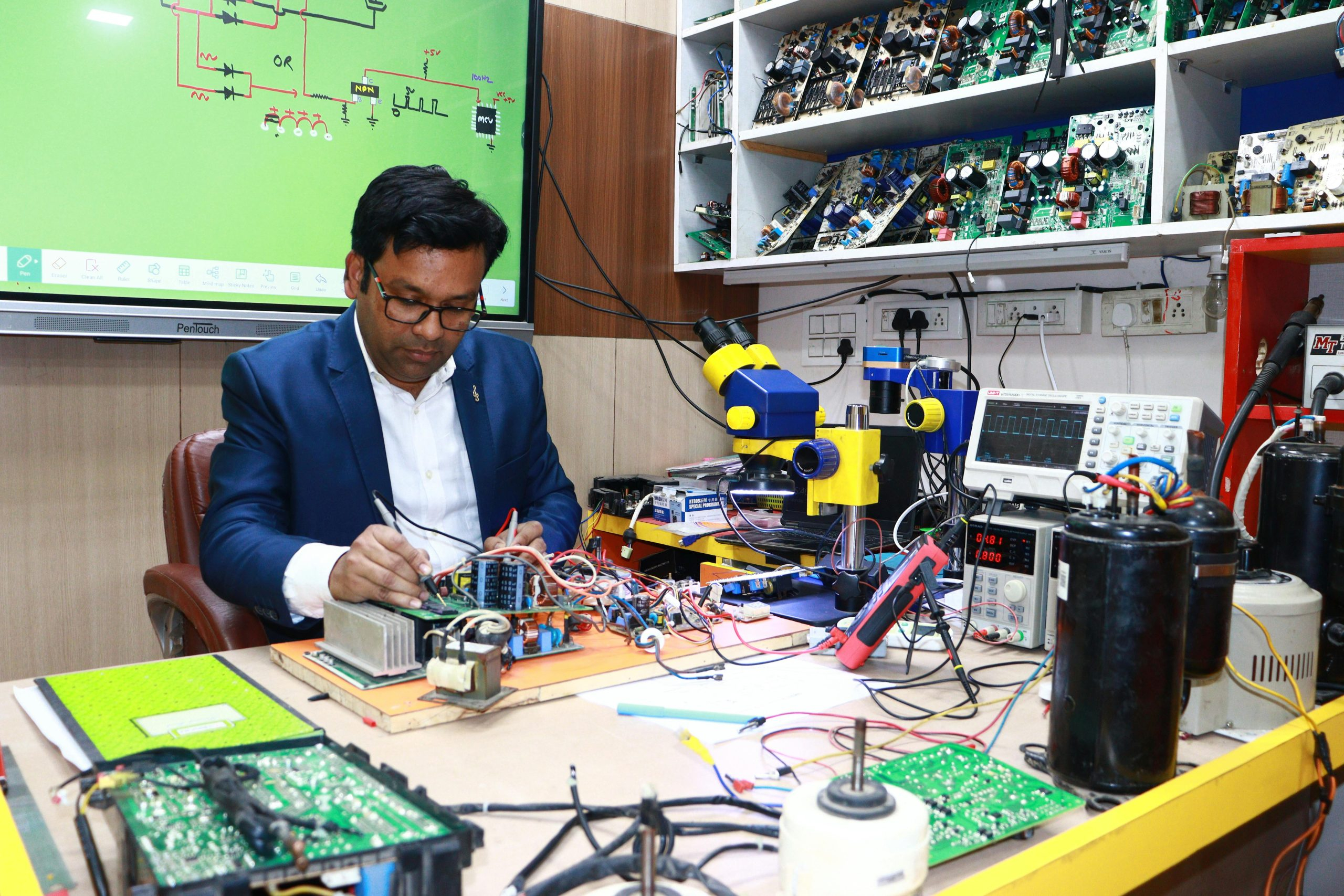
In today’s competitive world, the terms “training” and “education” are often used interchangeably. However, there is a critical difference between the two that cannot be overlooked. While both training and education aim at enhancing knowledge and skills, the approaches and outcomes of these two processes are vastly different. Understanding this difference is crucial in ensuring that individuals and organizations make the most out of both training and education. In this article, we will delve into the critical difference between training and genuine education and why it matters.
The Purpose of Training and Genuine Education
Training is a process of learning that focuses on developing specific skills required to perform a particular task or job. It is often job-oriented and has a predefined outcome. On the other hand, education aims at providing individuals with a broad understanding of a subject and equipping them with the skills to think critically, analyze, and solve problems in various contexts. While training is more about “how to,” education is about “why” and “what if.”
Training is mostly provided to meet immediate needs, such as learning a new software or mastering a new technique. It is usually short-term and highly focused on achieving immediate results. On the other hand, education is a more long-term and holistic process. It aims at broadening an individual’s perspective, developing their analytical skills, and preparing them for various challenges in life.
The Methods of Training and Genuine Education
Training Methods
Training is usually conducted through lectures, workshops, on-the-job coaching, and other hands-on approaches. The emphasis is on practice and repetition to master a specific skill. For instance, if a company hires a new employee, they will usually provide training on the company’s processes and systems to help the employee perform their job efficiently. Training methods are often standardized and focus on delivering a specific set of skills or knowledge.
Education Methods
Education, on the other hand, is more comprehensive and diverse in its methods. It can be taught through traditional classroom teaching, self-study, research, discussions, and even experiential learning. Rather than just focusing on the practical aspects of a subject, education teaches individuals to look at things from different perspectives and encourages critical thinking. It also promotes creativity, innovation, and adaptability, which are crucial skills in today’s dynamic world.
The Outcomes of Training and Genuine Education
Training Outcomes
The primary goal of training is to equip individuals with specific skills and knowledge to perform a particular task or job. Therefore, the outcomes of training are usually more tangible and measurable. For instance, if an employee is trained in a new software program, the desired outcome would be for the employee to be able to use the software efficiently. Training outcomes are often immediate, and the emphasis is on performance.
Education Outcomes
The outcomes of education are more intangible and often take longer to manifest. Education aims at developing a well-rounded individual with a broad knowledge base, analytical skills, and critical thinking abilities. It is more focused on personal growth and lifelong learning rather than immediate results. Additionally, education can lead to opportunities beyond just a specific job or task, such as career advancement, leadership roles, or personal development.
The Importance of Combining Training and Genuine Education
Both training and education are vital in today’s world. While training ensures that individuals have the necessary skills to perform their job efficiently, education provides individuals with a broader perspective and equips them with skills that go beyond just the job requirements. Combining these two approaches in learning can lead to better outcomes for individuals and organizations.
Organizations that prioritize both training and education will have employees who not only excel in their roles but also have the ability to adapt to changing circumstances and think critically. Such employees can bring innovation and fresh perspectives to the workplace, leading to a competitive edge for the organization. On the other hand, individuals who focus on continuous learning through both training and education will have better career prospects and be more adaptable to various challenges in their personal and professional lives.
Conclusion
In conclusion, the critical difference between training and genuine education lies in their purpose, methods, and outcomes. While training focuses on achieving specific, tangible results, education aims at the overall development of an individual’s skills and knowledge. Combining these two approaches in learning can lead to better outcomes for both individuals and organizations. Therefore, it is essential to give equal importance to both training and education to reap the full benefits of continuous learning in today’s fast-paced world.
Leave a Reply