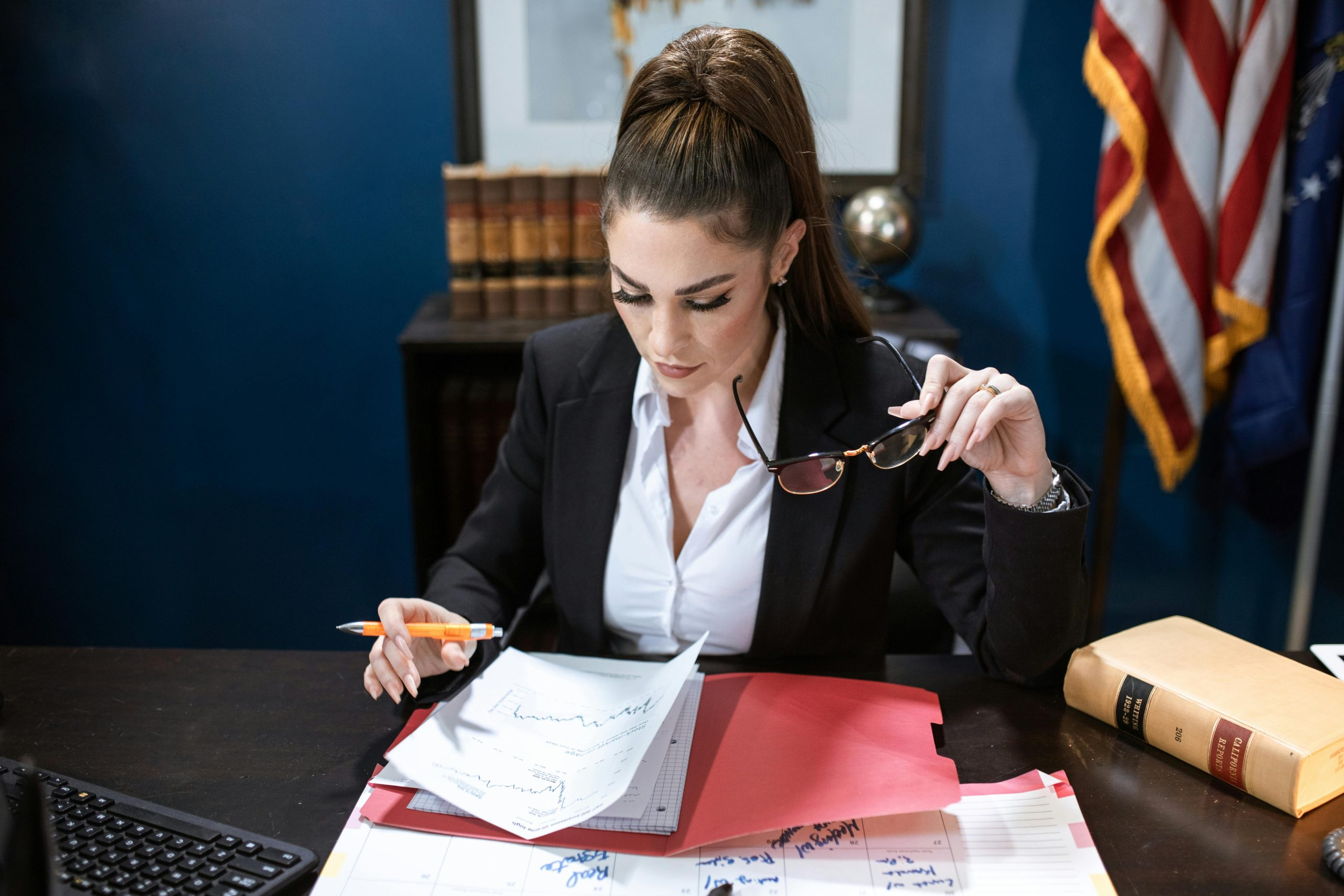
Estate planning is not something that should be taken lightly. It involves planning and organizing one’s assets and affairs in order to ensure that their wishes are carried out after their passing. An essential part of estate planning is having the necessary legal documents in place, which will serve as a guide for loved ones and ensure that everything is handled according to the individual’s wishes. In this article, we will discuss the essential legal documents that are needed for estate planning and why they are important.
Last Will and Testament
A Last Will and Testament is a legal document that outlines an individual’s final wishes for their assets and possessions. It specifies who will receive what and how the individual’s estate should be managed after their passing. A will is essential for estate planning as it allows the individual to have control over who inherits their assets and it can prevent potential disputes between loved ones.
Types of Wills
There are two main types of wills that are commonly used for estate planning:
1. Basic Will
A basic will is a simple document that outlines an individual’s final wishes. It can be written by the individual or with the help of a lawyer. This type of will is suitable for individuals with simple estates and uncomplicated wishes. However, it is important to note that a basic will may not be sufficient for more complex estates.
2. Living Will
A living will, also known as an advance directive, is a legal document that outlines an individual’s healthcare wishes in the event that they are unable to make decisions for themselves. It specifies the type of medical treatment and care that the individual would like to receive or not receive. This type of will is essential for individuals who want to ensure that their healthcare preferences are known and respected.
Power of Attorney
A Power of Attorney is a legal document that gives someone else the authority to make decisions and act on an individual’s behalf. This can be a family member, friend, or trusted professional. There are two main types of power of attorney:
1. General Power of Attorney
A general power of attorney gives the designated individual the authority to make financial decisions on the individual’s behalf. This can include managing bank accounts, paying bills, and making investments. It is important to choose someone who is responsible and trustworthy as they will have control over the individual’s finances.
2. Healthcare Power of Attorney
A healthcare power of attorney gives the designated individual the authority to make healthcare decisions on the individual’s behalf. This can include decisions about medical treatment, surgeries, and end-of-life care. It is important to choose someone who understands the individual’s healthcare preferences and will make decisions in their best interests.
Trusts
A trust is a legal arrangement where property is held by one party for the benefit of another. It allows an individual to transfer assets to a trustee who manages the assets for the benefit of the beneficiaries. There are various types of trusts that can be used for estate planning, such as:
1. Revocable Living Trust
A revocable living trust is a trust that is created during an individual’s lifetime and can be modified or revoked at any time. It allows the individual to have more control over their assets and can help avoid probate. It is important to seek the advice of a lawyer when creating a revocable living trust.
2. Irrevocable Trust
An irrevocable trust is a trust that cannot be altered or revoked once it is created. This type of trust can offer certain tax benefits and provide protection for the individual’s assets. It is important to consult with a lawyer before creating an irrevocable trust.
Conclusion
Estate planning is a crucial aspect of financial planning and it is important to have the necessary legal documents in place. The last will and testament, power of attorney, and trusts are all essential components of estate planning. Each document serves a specific purpose and can help ensure that an individual’s wishes are respected after their passing. It is important to seek the advice of a lawyer when creating these legal documents to ensure that they are valid and will hold up in court. By having these essential legal documents in place, individuals can have peace of mind knowing that their affairs will be handled according to their wishes.
Leave a Reply