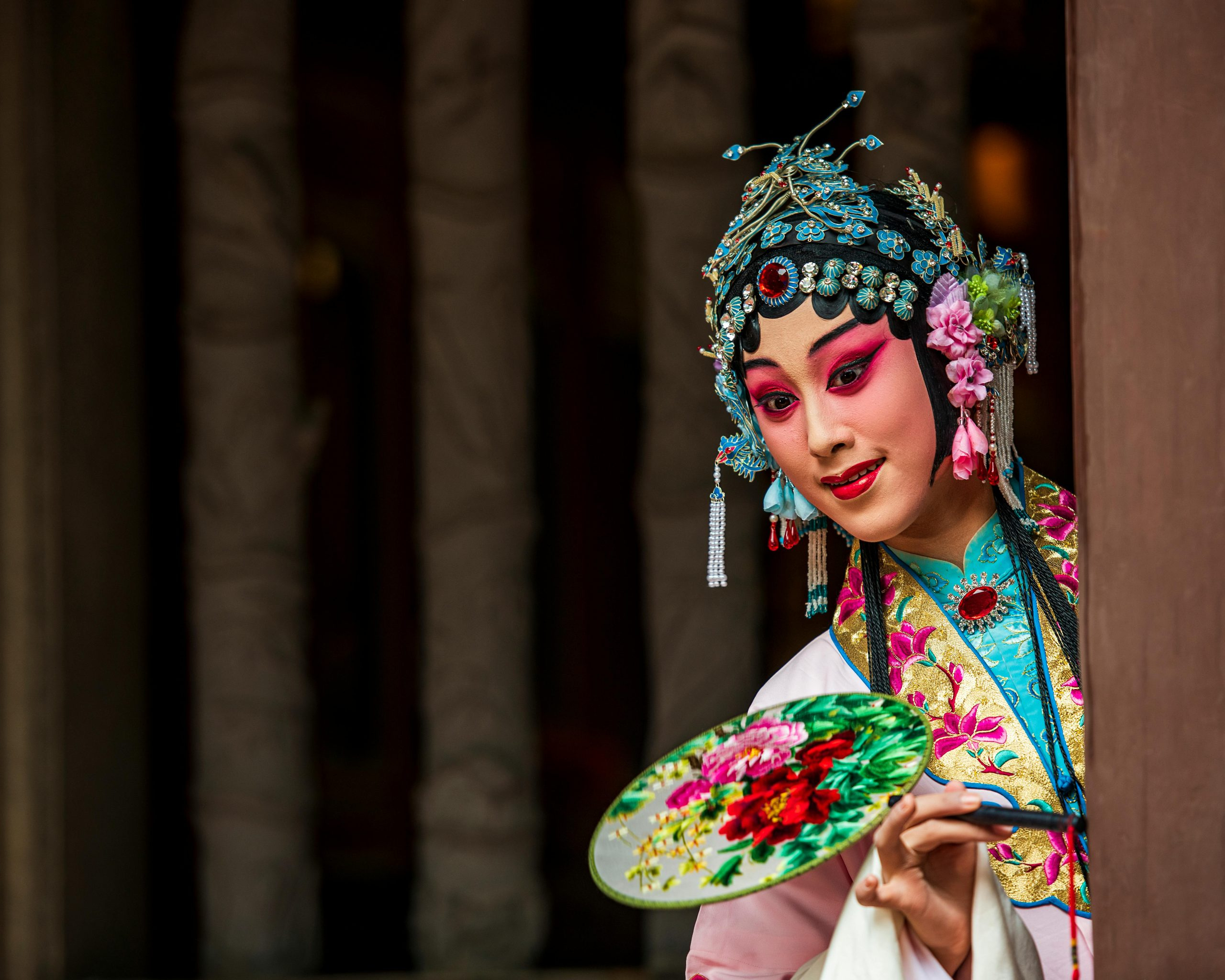
Opera is a world of grandeur, passion, and beauty. It combines the drama of theater with the power of music, creating a unique and unforgettable experience. This elaborate art form has been a source of entertainment and inspiration for centuries, and it continues to captivate audiences around the globe. In this article, we will delve into the world of opera and explore its three essential elements – drama, voice, and tradition.
The Drama Behind Opera
When we think of opera, we often picture actors dressed in elaborate costumes, singing with powerful voices on a grand stage. However, at its core, opera is a dramatic art form that tells stories through music and vocal performances. Dating back to the 16th century, opera was originally a form of entertainment for the upper class, but it quickly gained popularity among people of all social classes.
Opera combines various elements of art, such as music, drama, dance, and visual arts, to create a sensory experience for the audience. The dramatic element of opera is carefully crafted through the libretto, which is the text that is sung by the performers. The libretto often follows a storyline based on real events, myths, or literature, and it is crucial in conveying the emotions and actions of the characters on stage.
The Power of Voice in Opera
One of the most distinctive features of opera is its use of the human voice. Unlike other forms of musical performance, opera requires singers to have not only exceptional vocal abilities but also the ability to act. Opera singers must convey the emotions and feelings of their characters through their voices, making it a challenging and demanding art form.
Opera singers use a variety of vocal techniques to deliver powerful and emotional performances. From the virtuosic coloratura sopranos to the deep and rich basses, each opera singer brings a unique quality to the performance. And with no microphones to amplify their voices, opera singers must have strong vocal projection and control to fill the large opera houses with their voices.
The Rich Tradition of Opera
Opera has a rich and diverse history, with roots in Italy, and has evolved and expanded over the centuries. It has been influenced by different cultures, languages, and musical styles, giving it a unique and ever-changing character. Many of the most famous operas, such as Mozart’s “The Marriage of Figaro” and Puccini’s “Madama Butterfly,” have stood the test of time and are still performed today.
In addition to the music and vocal performances, the stage sets, costumes, and choreography are also significant aspects of opera traditions. They all work together to create a visually stunning and immersive experience for the audience. Opera also has its own set of customs and norms, such as the use of Italian words in operas, the division of an opera into acts, and the presence of an orchestra, all of which add to the traditional and unique nature of this art form.
Discovering Opera Today
Despite being centuries-old, opera remains a vibrant and essential art form in today’s society. With the advent of technology and modern equipment, opera has become more accessible and affordable than ever before. Live opera performances are now broadcast around the world in cinemas and online, bringing the beauty and magic of opera to a wider audience.
Opera companies also strive to make the art form more inclusive and diverse by casting performers from various backgrounds and cultures. It is no longer reserved for the elite, and people from all walks of life can now experience the grandeur and emotion of opera.
In Conclusion
Opera is a unique and captivating art form that brings together drama, voice, and tradition to create a magical experience for its audience. With its rich history and continued relevance in today’s world, opera continues to enchant and inspire people around the globe. So next time you have the opportunity, explore the world of opera and immerse yourself in its grandeur and beauty. You will not be disappointed.
Leave a Reply