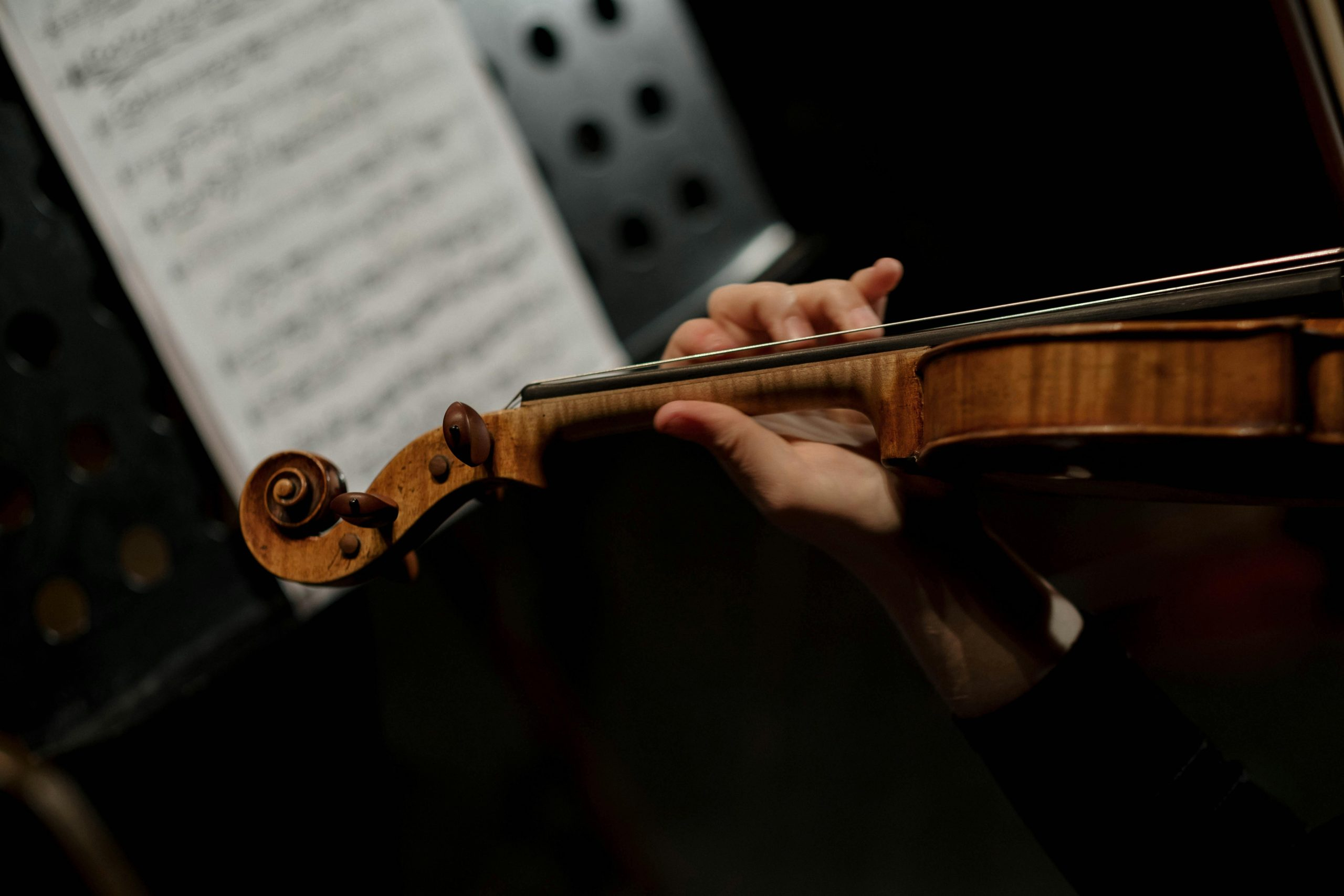
As a filmmaker, you know the importance of music in creating a powerful and emotional experience for your audience. From action-packed blockbusters to heart-wrenching dramas, the right score can elevate a film to new heights and leave a lasting impression. However, scoring music for film and television is no easy task. It takes a combination of talent, skill, and technical proficiency to master the art of crafting the perfect soundtrack. In this article, we will delve into the world of scoring music for film and television and explore the techniques and considerations that go into creating a memorable score that captures the essence of a story.
The Role of Music in Film and Television
Before we dive into the intricacies of scoring, let’s first understand the crucial role that music plays in film and television. Music is a powerful tool that can enhance the emotions and moods portrayed on screen. It can evoke feelings of joy, sadness, fear, and excitement, creating a deeper connection between the audience and the story. When done right, the music elevates the overall viewing experience and makes the story more impactful.
Creating a Musical Identity for the Story
One of the fundamental elements of mastering the art of scoring is creating a musical identity for the story. Each film or television show has its unique theme, characters, and plotlines, and the music should reflect that. A good score should be able to bring out the emotions and personalities of the characters and capture the essence of the story. It is crucial to work closely with the director to understand their vision and identify the key moments where the music should shine through.
Finding the Right Sound
Once you have established the musical identity for the story, it’s time to find the right sound to bring it to life. This is where the technical proficiency comes into play. A film score can consist of various instruments, styles, and genres, and it’s essential to choose the ones that best fit the story. A suspenseful scene may require a haunting string section, while an action sequence may call for a fast-paced percussion-driven score. Collaborating with talented musicians and experimenting with different sounds can lead to a unique and powerful score that complements the visuals on screen.
Collaboration and Communication
Scoring music for film and television is a collaborative process that requires effective communication between the composer and the creative team. As the composer, it is essential to understand the director’s vision and provide them with options and samples to choose from. They may have specific scenes or moments where they want the music to stand out, and it’s crucial to work together to achieve that. Communication is key to ensure that the music complements the story and doesn’t overshadow it.
The Importance of Timing
When it comes to scoring music for film and television, timing is everything. The music must be precisely timed to match the emotions and pace of the scenes. It should seamlessly transition from one scene to the next and enhance the overall flow of the story. A composer needs to have a keen sense of timing and work closely with the editor to ensure that the music and visuals are perfectly synchronized.
Staying Ahead of Trends
The world of film and television is constantly evolving, and so is the music that accompanies it. As a composer, it’s essential to stay ahead of the trends and be open to experimenting with new sounds and techniques. Incorporating elements of popular genres and styles can make the score more relatable and resonate with the audience. It’s also crucial to stay updated with the latest technology and software to ensure that the music is of the highest quality.
The Final Touch – Mixing and Mastering
The scoring process doesn’t end with composing the music; it also involves mixing and mastering. Mixing is the process of blending together all the different elements of the score to create a balanced and dynamic sound. Mastering is the final touch that ensures that the music is optimized for different listening environments and devices. It’s crucial to work with experienced sound engineers to achieve the best possible mix and master for the score.
In Conclusion
Scoring music for film and television is a craft that requires a combination of creative vision and technical proficiency. It’s a collaborative process that involves effective communication, experimentation, and staying ahead of the trends. When done right, a powerful and emotive score can elevate a film or television show and leave a lasting impression on the audience.
So next time you watch a movie or TV show, pay attention to the music and appreciate the art of scoring behind it. And who knows, you may even find yourself humming the theme song long after the credits have rolled.
Leave a Reply