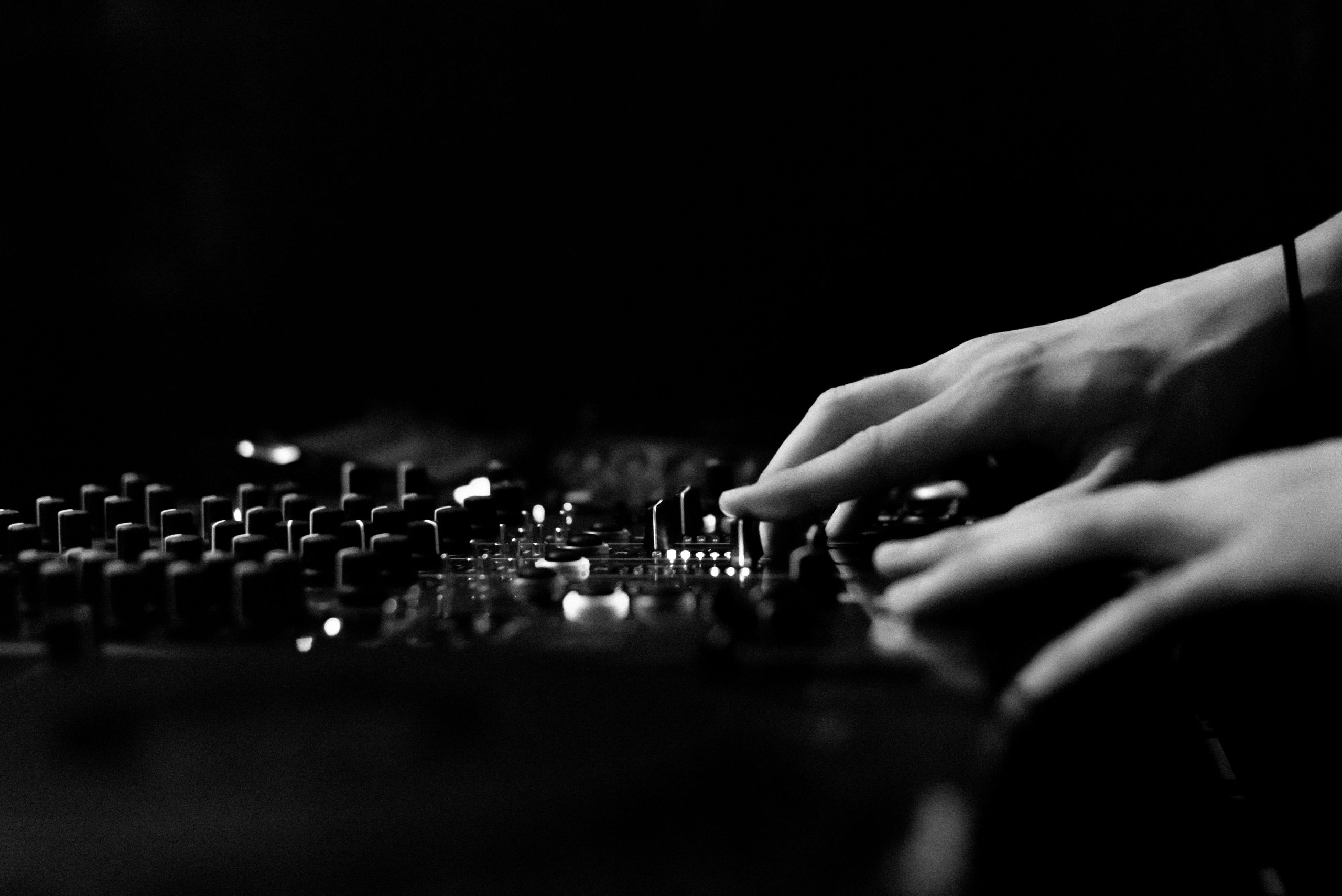
From its humble beginnings in the underground music scene of the 1970s, electronic dance music (EDM) has exploded into a global phenomenon with a continuously evolving genre landscape. With its pulsing beats and infectious rhythms, EDM has captured the hearts of millions of fans and has become a cultural movement in its own right. But how exactly did the genre evolve to its current form? In this article, we’ll take a deep dive into the rich history of electronic dance music and explore the key factors that have shaped its various genres along the way.
The Birth of EDM: Disco and House Music
Disco: The Spark that Ignited the Fire
The roots of electronic dance music can be traced back to the emergence of disco in the 1970s. With its funky basslines, catchy melodies, and emphasis on dancing, disco quickly became a staple in clubs and dance floors around the world. Electronic instruments such as synthesizers and drum machines played a significant role in creating the distinctive sound of disco, setting the stage for the birth of electronic dance music.
House Music: The First Wave of EDM
As the 1980s rolled in, disco began to fade, and a new wave of dance music emerged – house music. Originating in Chicago, house music incorporated elements of disco and combined it with a more electronic sound, characterized by its deep, repetitive basslines, and soulful vocals. This move towards an electronic sound laid the foundation for the explosion of electronic dance music in the coming decades.
The 1990s: A Decade of Drum and Bass, Trance, and Techno
Drum and Bass: The Birth of the Rave Scene
The early 1990s saw the rise of a new subgenre of electronic music – drum and bass. This high-tempo, fast-paced music was the soundtrack to the underground rave scene, capturing the rebel spirit of the youth and revolutionizing the dance music scene. With its complex drum patterns and intense basslines, drum and bass quickly gained a loyal following and paved the way for other subgenres like jungle and breakbeat.
Trance: The Melodic Side of EDM
While drum and bass dominated the underground scene, trance emerged as a more mainstream subgenre of electronic dance music. With its hypnotic beats, soaring synths, and uplifting melodies, trance captured a larger audience and quickly became a top player in the electronic music world. From its humble beginnings in Germany, trance spread to other parts of the world, with countries like the Netherlands and the UK becoming hotspots for the genre.
Techno: The Sound of Detroit and Berlin
Originating in the industrial cities of Detroit and Berlin, techno added an edgier, more mechanical element to the electronic dance music landscape. With its futuristic sound and minimalist approach, techno became the genre of choice for many underground clubs and gained a loyal following of fans who were drawn to its unique sound and rebellious nature.
The 21st Century: EDM Goes Mainstream
Electro: The Fusion of House and Hip-Hop
As the new millennium dawned, electronic dance music began to make its way into the mainstream, with subgenres like electro gaining popularity. A mix of house music and hip-hop, electro brought a fresh new sound to the electronic music scene, characterized by its heavy use of synths, chopped-up samples, and catchy hooks. Artists like Daft Punk, Justice, and The Chemical Brothers became household names, paving the way for other electronic artists to find mainstream success.
Dubstep: The Digital Revolution
The early 2010s saw the rise of another phenomenon in the world of electronic dance music – dubstep. Born in the UK, dubstep was a fusion of garage, drum and bass, and dub reggae, characterized by its heavy basslines and aggressive sound. With the rise of social media and streaming platforms, dubstep became a global sensation, creating a massive following and influencing other genres like trap and future bass.
The Future: Where is EDM Headed?
With its constantly evolving landscape and continuous experimentation with new sounds and styles, the future of electronic dance music is impossible to predict. Still, one thing is for sure – EDM will continue to push boundaries, inspire new artists, and bring people together on the dance floor.
In Conclusion
From its disco and house music roots in the 70s to its mainstream success in the 21st century, electronic dance music has come a long way and shows no signs of slowing down. The genre’s constant evolution has allowed it to stay relevant and continuously attract new fans, making it one of the most significant cultural movements of our time. As we look to the future, we can only imagine what new sounds and styles will emerge, and one thing is for sure – electronic dance music will continue to captivate listeners and shape the music industry for years to come.
Leave a Reply