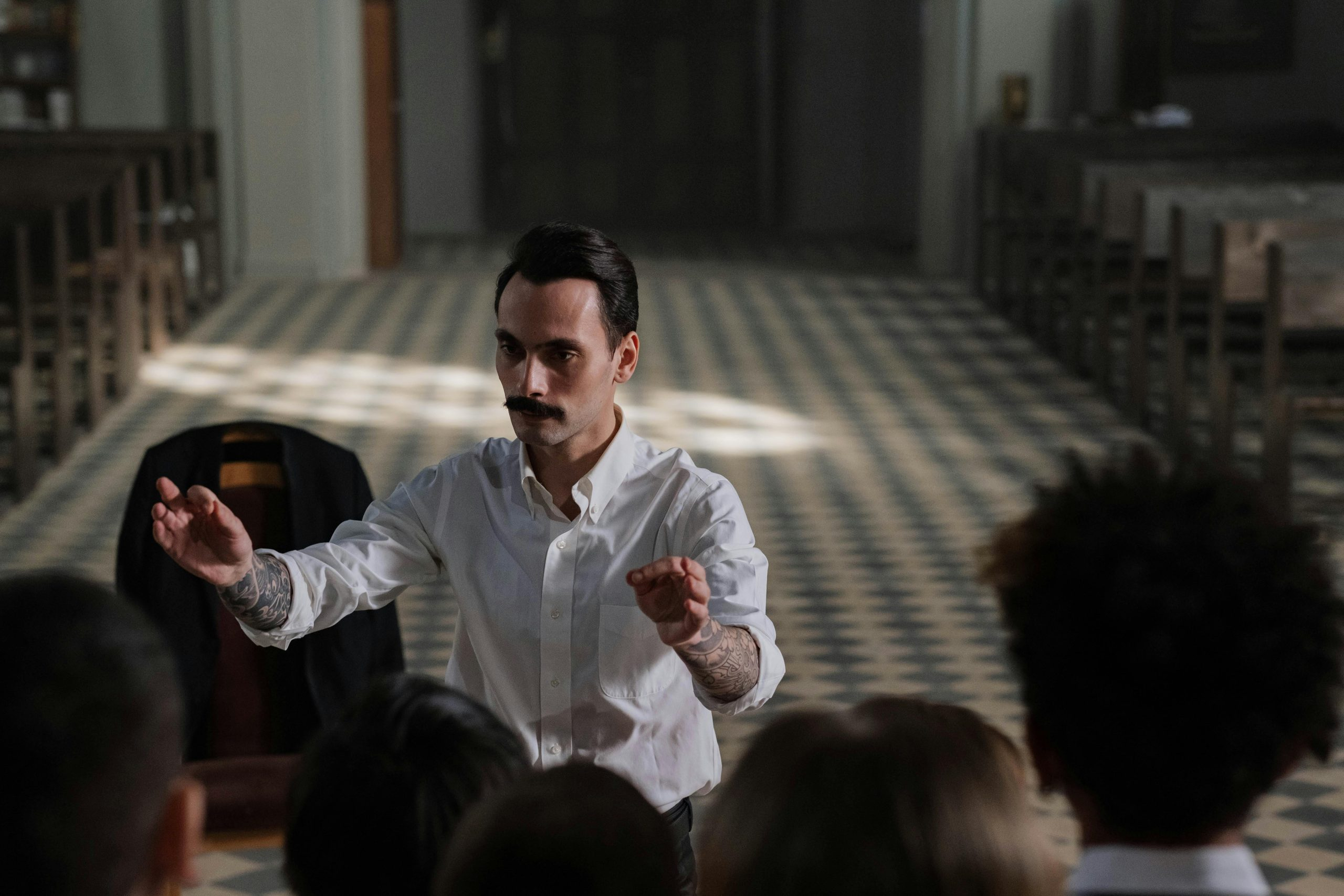
When we think of a musical ensemble, whether it’s an orchestra, choir, or band, we often immediately picture the musicians on stage or in a rehearsal space, playing their instruments or singing in perfect harmony. However, there is another important figure in the performance that plays a crucial role in bringing the music together and ensuring a cohesive and powerful presentation – the conductor. In this article, we will dive into the role of the conductor in ensemble performance, exploring their responsibilities and impact on the overall result.
The Leader of the Ensemble
In an ensemble performance, the conductor acts as the leader, guiding and directing the musicians towards a unified interpretation of the musical piece. They are responsible for setting the tempo, cueing entrances and exits, and shaping the dynamics of the performance. This is no easy task, as they must be able to lead and control a group of talented musicians with varying styles and interpretations.
Communication and Interpretation
One of the primary roles of the conductor is to communicate the composer’s vision to the musicians. They must have a deep understanding of the music, its history, and its intended message. Through their knowledge and interpretation, they are able to convey this to the ensemble and bring the music to life.
Furthermore, the conductor acts as the liaison between the composer and the audience. They must be able to translate the composer’s intentions and emotions into a tangible experience for the audience. This requires not only a deep understanding of the music but also an ability to connect and engage with the audience.
Keeping Everyone Together
Ensembles can consist of a large number of musicians, all playing different parts and instruments. In order for the performance to succeed, it is crucial for everyone to stay together and play in synchronization. This is where the conductor’s role becomes even more critical. They act as a timekeeper, setting the pace and ensuring that each musician plays at the same speed. They also cue entrances and passages, keeping everyone aligned and together.
The Visual and Musical Guiding Force
As a visual representation of the music, the conductor’s movements and gestures are not just for show. Rather, they are essential tools in guiding the musicians. They use their hands, arms, and body to communicate the dynamics, articulations, and phrasing of the music. These gestures are also a way to communicate with individual musicians, cueing them for solos or specific passages. The conductor’s precise and deliberate movements are crucial in helping the musicians stay on track and follow the musical direction.
Bringing the Ensemble Together
While individual practice and preparation are important, it is the conductor’s role to bring all the musicians together and create a unified sound. In ensemble performances, each individual’s part contributes to the overall musical experience, and the conductor’s guidance helps to blend all the different sounds into one cohesive and powerful performance.
Leadership and Inspiration
As the leader of the ensemble, the conductor sets the tone and atmosphere for the performance. Through their leadership and inspiration, they motivate the musicians to perform at their best. This requires not only technical expertise but also an ability to connect with the musicians and bring out their passion for the music. The conductor’s passion and energy on stage can have a contagious effect on the entire ensemble and ultimately impact the audience’s experience.
The Conductor’s Impact on Ensemble Performance
It is clear that the conductor plays a vital role in ensemble performance. Not only are they responsible for the technical aspects of the performance, but they also act as a guide, interpreter, and leader, bringing the music and the musicians together for a unified and powerful performance. Their impact on the audience cannot be ignored, as they play a crucial part in translating the composer’s vision into an emotional and captivating musical experience.
Knowing and understanding the role of the conductor in ensemble performance can help us appreciate the amount of hard work, dedication, and skill that goes into creating a successful musical presentation. The next time you attend a performance, take a moment to observe the conductor and appreciate their contribution to the music and the musicians on stage.
Leave a Reply