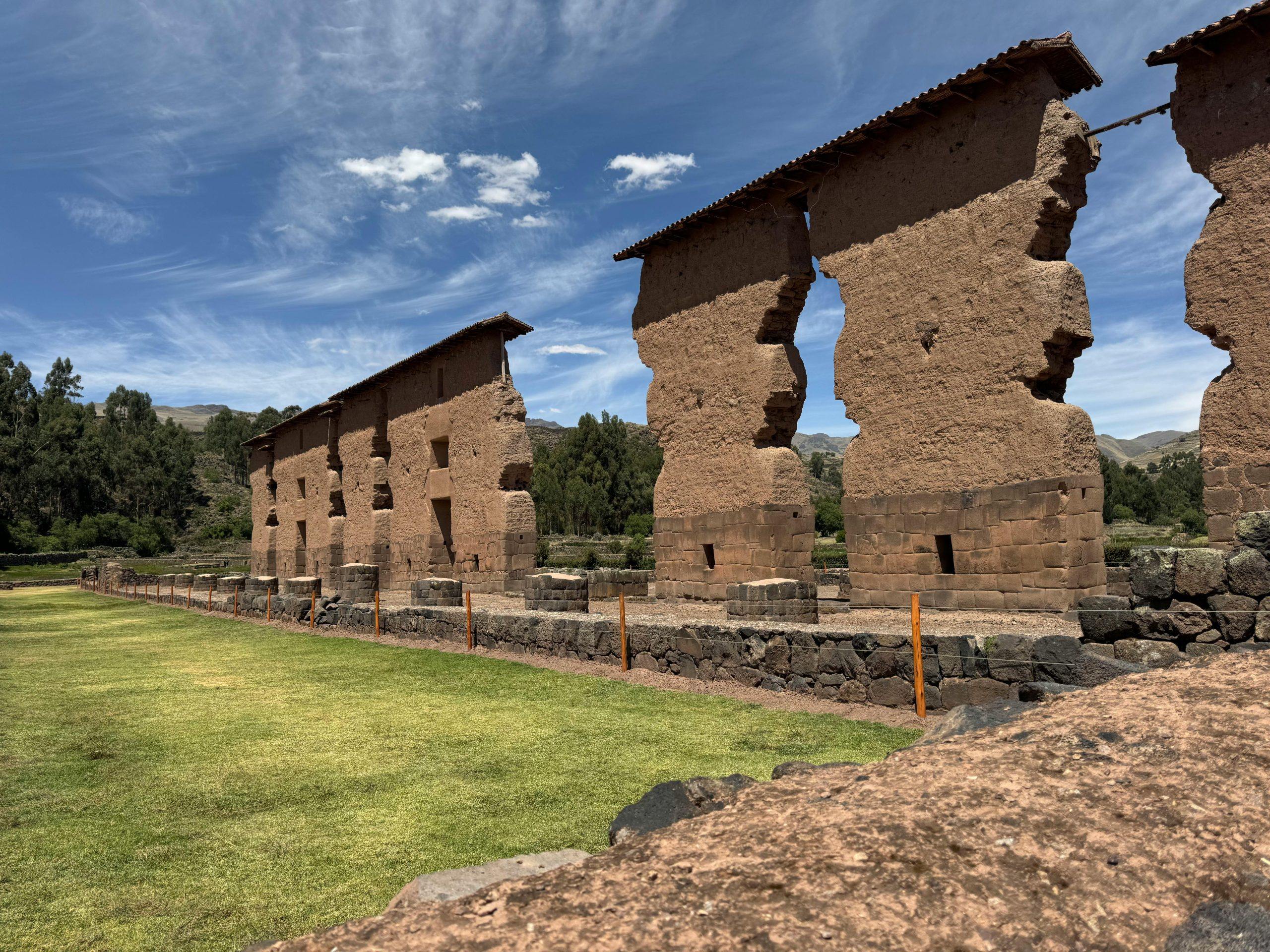
Historic Preservation Districts are an integral part of many cities and towns, preserving the rich heritage and character of different cultures and societies. These districts are designated areas with strict guidelines and regulations in place to protect the historic significance and aesthetic appeal of the buildings within them. While the importance of preserving history cannot be denied, navigating the challenges of historic preservation districts can be a daunting task for homeowners, businesses, and even local administrations. In this article, we will explore the challenges one may face while trying to maintain, renovate, or develop properties in these districts and provide some tips to help navigate through them.
Understanding Historic Preservation Districts
Before delving into the challenges, it is essential to have a clear understanding of what historic preservation districts are and their significance. These districts are designated areas with a collection of buildings that hold historical, cultural, or architectural importance. The primary purpose of creating these districts is to safeguard the physical evidence of a community’s past and keep it intact for future generations. Buildings within these districts often possess distinct architectural styles or reflect a particular period in history, making them valuable assets to the community.
The Challenges Faced
Strict Guidelines and Regulations
The most significant challenge homeowners or businesses face in these districts is complying with the strict guidelines and regulations. These districts have specific design standards that must be followed for any changes or renovations made to the property. For example, the exterior of a building must remain unchanged to maintain the historic character of the district. This can be a challenge for property owners who wish to modernize their homes or businesses.
Higher Costs of Maintenance and Renovations
Due to the strict guidelines and regulations, maintenance and renovations in historic preservation districts can be more expensive than in other areas. Property owners may need to use specific materials, techniques, or hire specialized professionals to ensure that the changes made are in line with the district’s standards. This can also lead to delays in the approval process, further increasing the cost of renovations.
Zoning Restrictions
Properties within historic preservation districts are often subject to zoning restrictions, limiting the types of businesses and activities that can take place. This can be a challenge for property owners who wish to use their space for commercial purposes or those who want to add modern amenities. These restrictions may also affect property values and limit its potential for development or resale.
Lack of Flexibility
Another challenge is the lack of flexibility that comes with properties in these districts. As mentioned earlier, the exterior of a building must remain unchanged to maintain the district’s character. Thus, property owners do not have much room for design changes or making additions to their properties. This can also make it challenging for businesses to attract customers or stand out in the competitive market.
Tips for Navigating Through the Challenges
While navigating through the challenges of historic preservation districts can be challenging, it is not impossible. Here are some tips to help:
Research and Understand the Guidelines
Before purchasing a property in a historic preservation district, it is crucial to research and understand the guidelines and regulations thoroughly. This will help you assess whether the property is suitable for your needs and whether you can comply with the guidelines.
Consult with Professionals
When planning for renovations or maintenance, it is essential to consult with professionals who have experience working with historic preservation districts. They can guide you on the materials and techniques that would be acceptable, reducing the risk of costly mistakes.
Be Prepared for the Costs
As mentioned earlier, maintenance and renovations in these districts can be more expensive. Be prepared for the additional costs and factor them into your budget before making any decisions.
Embrace the History and Authenticity
Instead of viewing the strict guidelines and restrictions as obstacles, embrace the history and authenticity of the district. This will not only help you appreciate the value of your property but also contribute to preserving the district’s unique character.
In Conclusion
Navigating through the challenges of historic preservation districts may seem daunting, but with the right approach and mindset, it can be a fulfilling experience. These districts play a crucial role in preserving our heritage and should be seen as an opportunity to contribute to our community’s rich history. By researching, consulting with professionals, and being prepared for the costs, property owners can successfully navigate through the challenges and help maintain the district’s integrity for future generations.
Leave a Reply