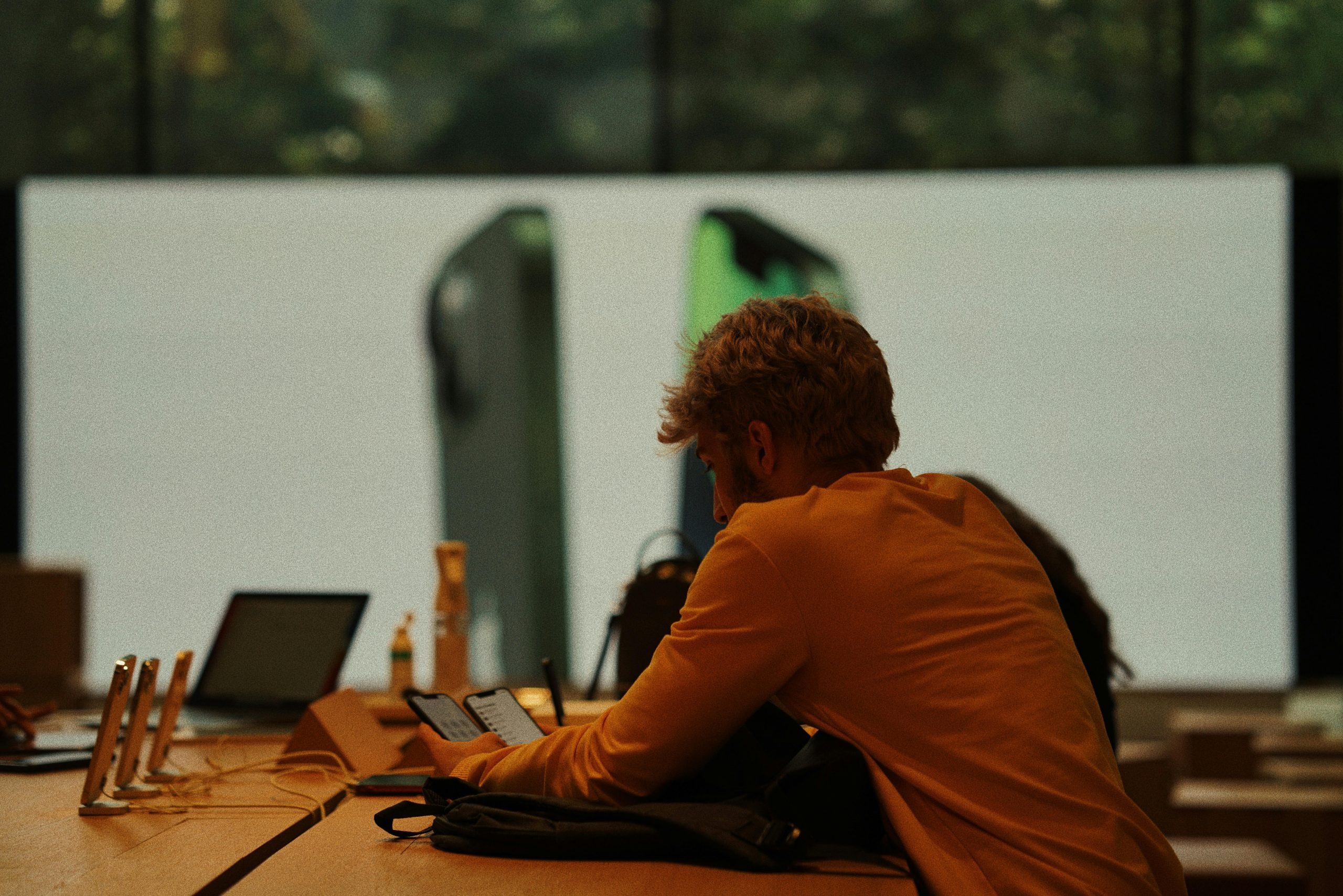
The retail industry has undergone a significant transformation in the past decade. With the rise of e-commerce and online shopping, traditional brick-and-mortar stores have been facing tough competition. As a result, many physical stores have struggled to keep up with the changing consumer preferences and have been forced to shut down. However, instead of seeing it as a threat, some retailers have chosen to embrace the digital revolution and incorporate it into their physical stores. This is the future of physical stores – a blend of digital and in-person retail, offering a personalized, seamless and convenient shopping experience.
Embracing Technology: Turning Challenges into Opportunities
Physical stores have been facing challenges in the wake of the digital boom. With the convenience of online shopping, many consumers have shifted their buying habits to e-commerce platforms. This has resulted in a decrease in footfalls and sales for traditional retailers. In such a scenario, many retail chains have been forced to close down stores and lay off employees, unable to keep up with the rising expenses and declining revenues. However, some innovative retailers have seen this as an opportunity to revamp the traditional shopping experience by incorporating technology into their physical stores.
From interactive screens and virtual reality experiences to augmented reality-enabled fitting rooms, technology has the power to transform the way consumers shop. For instance, a customer can try on different outfits virtually without having to physically change in and out of clothes. This not only saves time but also makes the entire experience more convenient. Moreover, with the help of big data and advanced analytics, retailers can gather valuable insights on consumer behavior and preferences, allowing them to offer a personalized and seamless shopping experience.
The Rise of Omnichannel Retailing
Omnichannel retailing is the integration of various sales channels, both online and offline, to provide a consistent and unified shopping experience to customers. This allows retailers to meet the consumers where they are, whether it is in their physical stores or online, and provide a seamless transition between the two. For instance, a customer can browse online and reserve a product to try on in-store, or they can order online and pick up in-store at a time that is convenient for them. This not only enhances the shopping experience for the customer but also boosts sales for the retailer.
Omnichannel retailing also allows retailers to leverage each channel’s strengths and overcome its weaknesses. While online shopping offers convenience and a wider product range, physical stores provide a sensory shopping experience with the ability to touch and try products. By blending the two, retailers can offer a more holistic and satisfying shopping experience for their customers.
The Importance of Personalization
With the amount of data available today, consumers have come to expect a more personalized shopping experience. Retailers that can understand their customers’ needs and preferences are more likely to succeed in the long run. Personalization goes beyond just addressing customers by name on email marketing campaigns. It is about understanding their purchase history, browsing behavior, and providing product recommendations based on that data. With the help of advanced technologies, retailers can offer a customized shopping experience for each customer, giving them a reason to keep coming back.
The Role of Physical Stores in the Future
As e-commerce continues to grow, physical stores are no longer just about selling products. Instead, they have taken on a more significant role in the consumer journey. In today’s digital age, customers still crave social interactions and human connections, which physical stores can provide. By blending technology and in-person experiences, retailers can offer a unique shopping experience that cannot be replicated online. In addition, physical stores can also serve as fulfillment centers for online orders, making the shopping experience more convenient for customers.
In Conclusion
The future of physical stores is bright, with retailers increasingly understanding the importance of blending digital and in-person retail. With the right mix of technology and personalization, retailers can provide a seamless and personalized shopping experience that keeps customers coming back. Physical stores will continue to play a crucial role in the retail industry, and those that can embrace the digital transformation will thrive in the future of retail.
Leave a Reply